Local News · Community · Business
A Century on the Stage: Inside Springfield’s Historic Gillioz Theatre
By Ryan Sherrer ·
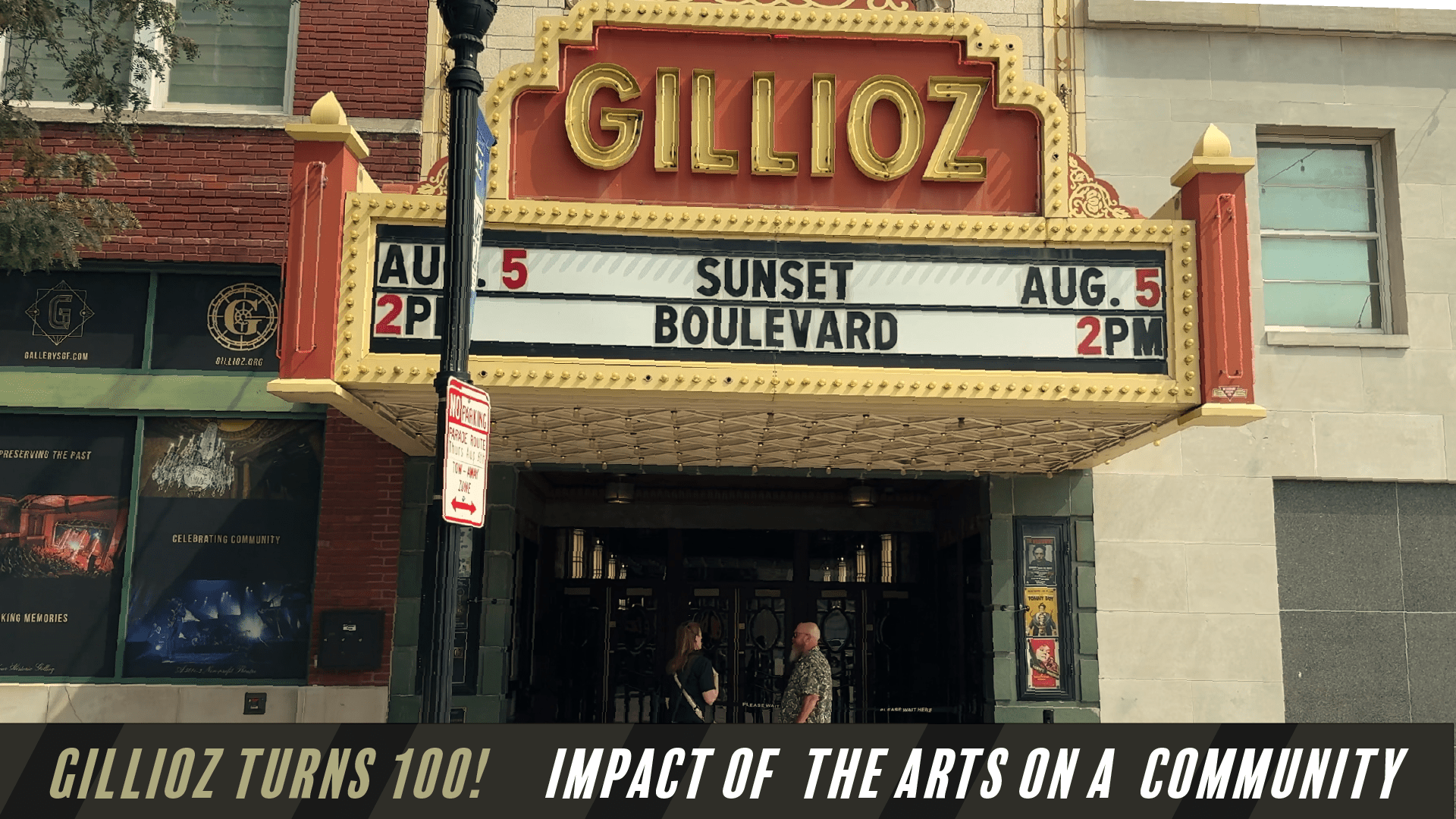
A Century on the Stage: Inside Springfield’s Historic Gillioz Theatre
Sometimes the best way to think about what is possible in your own community is to take a short trip down the road and see what another community has built, saved and refused to let disappear.
That is exactly what Lebanon Now did this week.
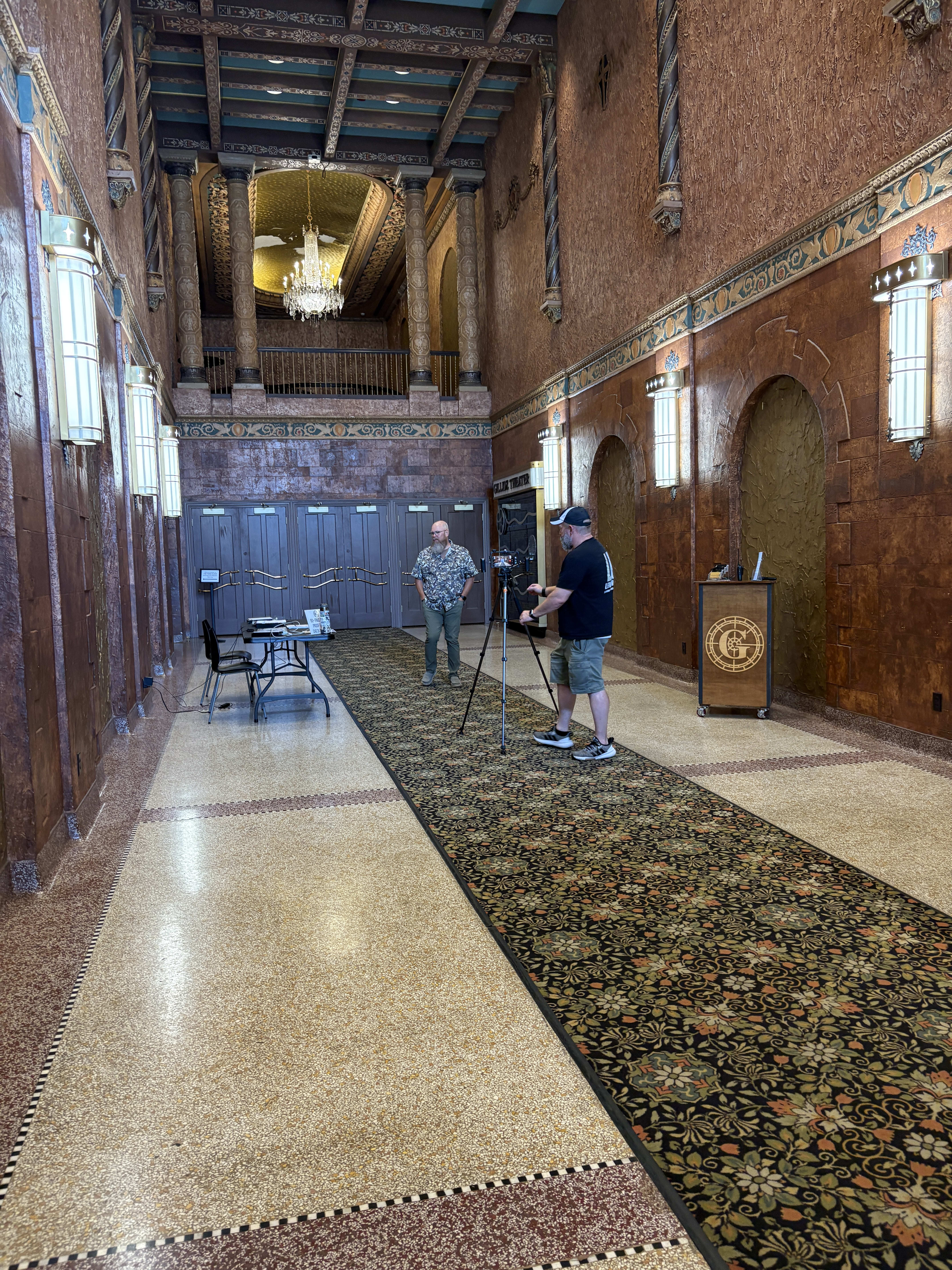
Brian Hash packed up the Lebanon Now crew and headed about 50 miles west to downtown Springfield for a visit to one of southwest Missouri’s most recognizable landmarks, the historic Gillioz Theatre.
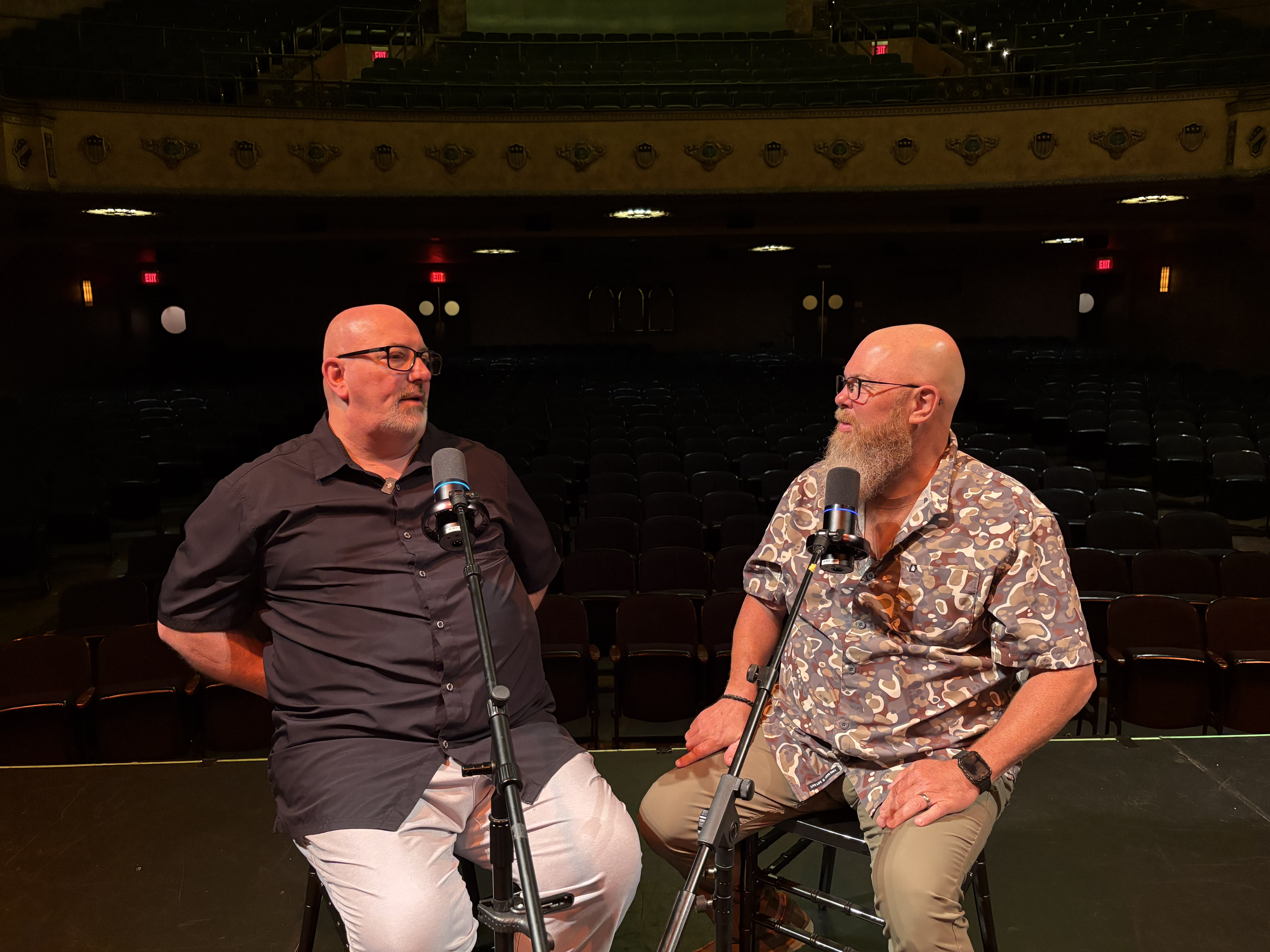
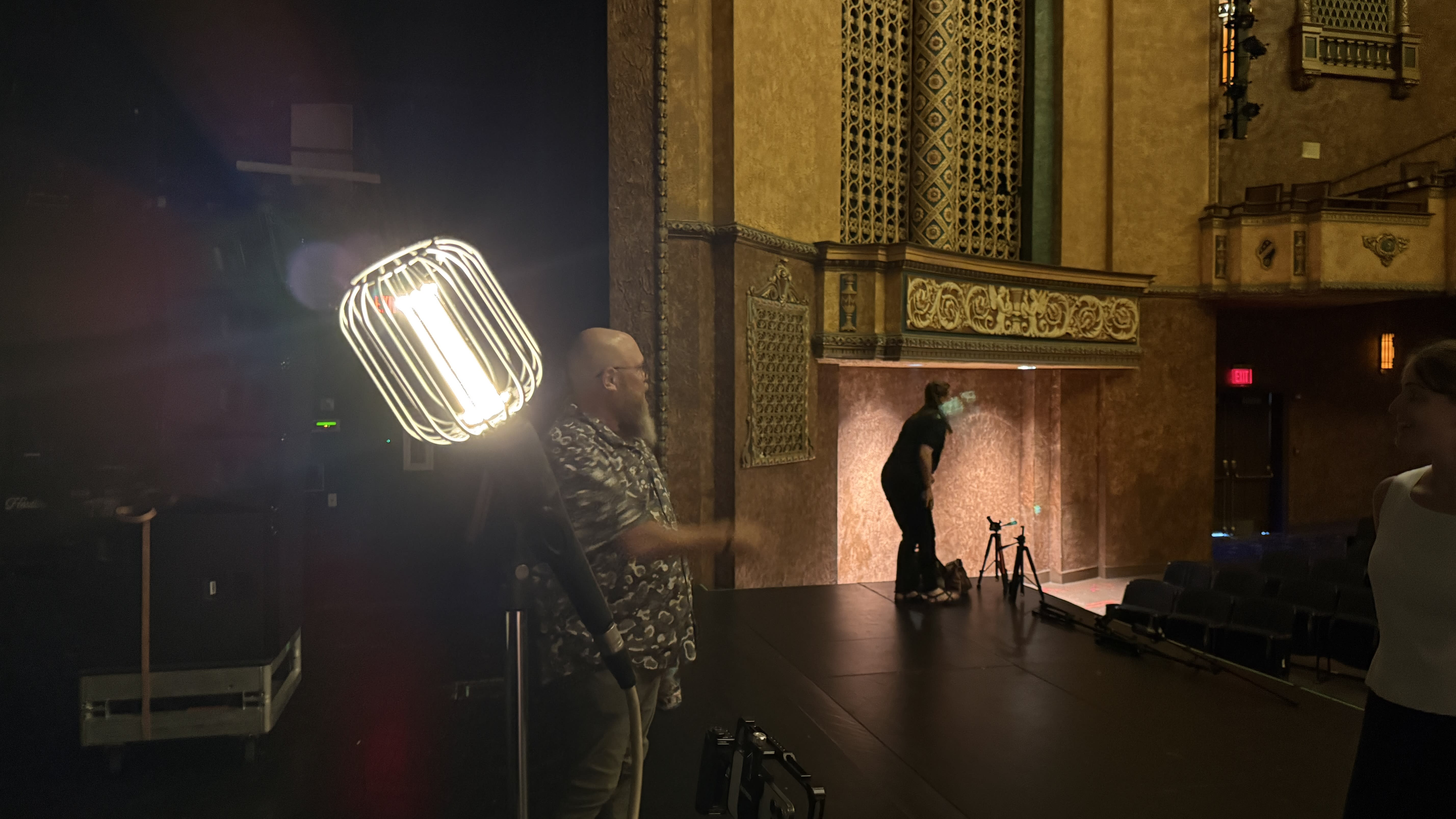
Waiting inside was Geoff Steele, executive director of the Gillioz Center for Arts & Entertainment, who invited Hash onto the stage for a conversation that quickly became about much more than an old theater.
It became a conversation about history, community, economic development and why the arts still matter, whether you live in Springfield, Lebanon or anywhere else in the Ozarks.
And 2026 is a pretty good year to have that conversation.
Route 66 is turning 100.
So is the Gillioz.
“Everybody’s talking about Route 66 turning 100,” Steele told Hash. “And I jokingly, somewhat jokingly, say it’s a great pre-show for the one that really matters, which is the Gillioz Theatre.”
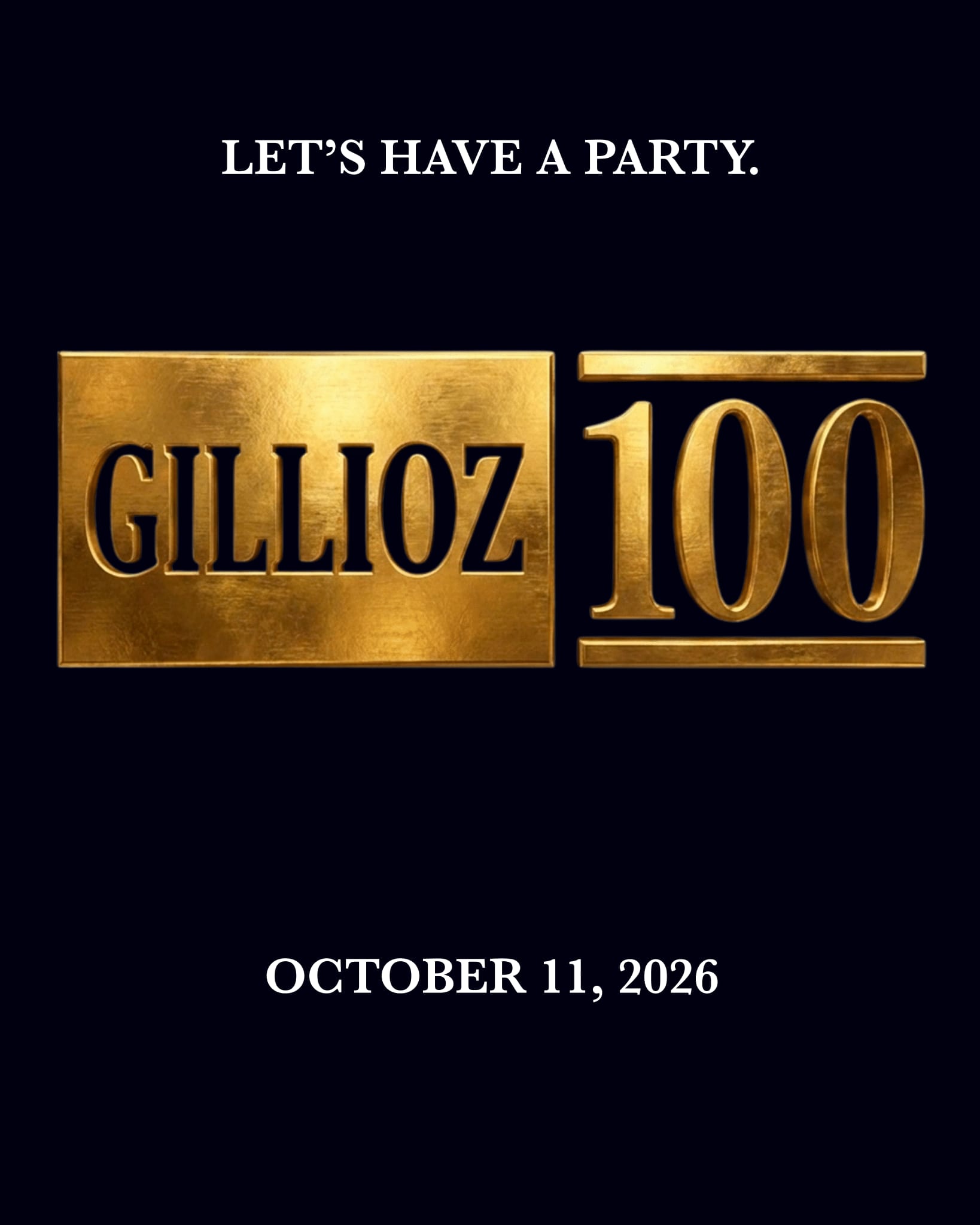
The Gillioz will officially celebrate its 100th birthday on Oct. 11, exactly one century after the theater first opened.
While Route 66 crosses eight states, Steele points out there is only one Gillioz.
“The Gillioz is a one of one,” Steele said. “It’s a one and done, and it’s still doing what it was doing the first day that it opened October 11th. We’re still entertaining audiences with film, with comedy, with music. And that’s a pretty spectacular pedigree.”
A Building Springfield Almost Lost
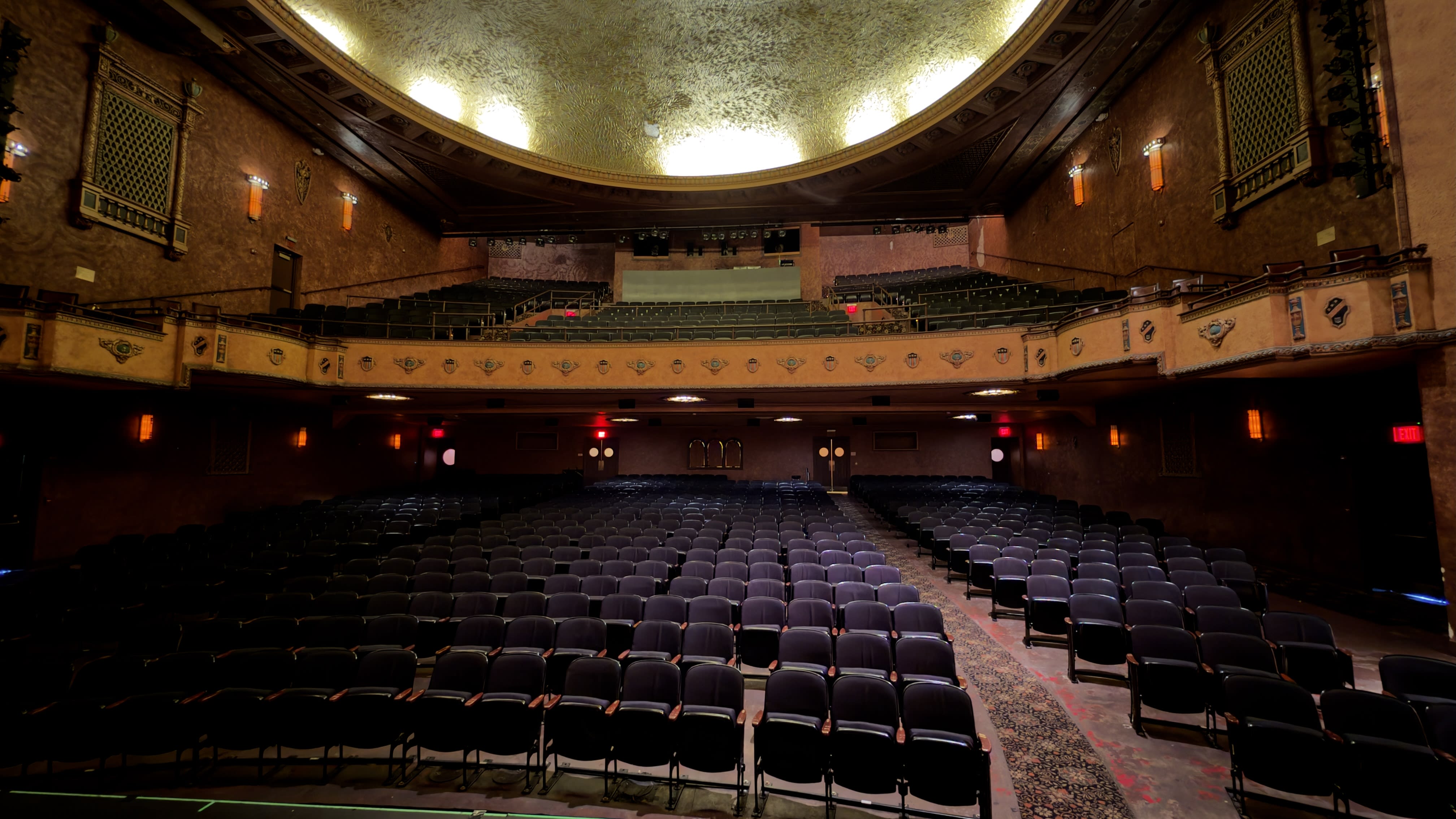
Walking into the Gillioz today, with its ornate architecture, massive stage and decades of memories, it is difficult to imagine the building as anything other than a theater.
But it almost became a parking lot.
The Gillioz Center for Arts & Entertainment exists as a nonprofit in large part because members of the Springfield community decided the historic theater was worth saving.
“And so some citizens said, ‘Is that really a good idea?’” Steele said.
What followed was what Steele described as a 12-year, $12 million “love affair” to bring the Gillioz back to the way it looked when audiences first walked through its doors in 1926.
Saving it, however, was only the beginning.
“The efforts to preserve are ongoing,” Steele said. “The more that we work it, which she’s working more today than she was working five years ago, the harder it is on the building. And so preservation becomes even more paramount.”
Today, the Gillioz is once again a working theater, and it is busy.
Bigger Than One Stage
Hash admitted during the conversation that even after visiting the Gillioz several times, he had not realized just how much the organization had grown beyond the theater itself.
The Gillioz Center for Arts & Entertainment now reaches into several neighboring properties.
A three-story historic building west of the theater includes a restaurant, banquet and private meeting space and a third floor that has become an incubator for nonprofit arts organizations.
That collaborative space houses organizations including Ozarks Lyric Opera, Missouri Jazz Orchestra, Mosaic Arts Collective and the Southwest Missouri Film Office.
Last October, the organization expanded again by taking over operation of the historic Fox Theatre on the Springfield square.
For Steele, bringing those organizations and spaces together creates something that cannot necessarily be accomplished when everyone works independently.
“We’re seeing incredible, incredible things happen as a result of that proximity and the creative catalyst with this intentionality,” Steele said.
So What Does Any of This Have to Do With Lebanon?
Quite a bit.
That became one of the most interesting parts of Hash and Steele’s conversation.
Steele had recently spoken to the Rotary group, where Hash heard him discuss the impact the arts can have on a community. Hash wanted Lebanon Now viewers to hear that same message.
Steele describes the impact of the arts as a table with four legs.
Take away one of those legs and you are missing part of the picture.
The first, he said, is education.
A community that exposes young people to the arts can see benefits that stretch beyond music, theater or painting and into science, mathematics and literature.
The second is health.
Steele pointed to arts programs inside hospitals and other health care settings, which can include everything from music and painting to poetry and drawing.
The third is something every community struggles with at one point or another: understanding each other.
“Over 73 percent of the people that were polled, according to Americans for the Arts, find out about other cultures and varying perspectives through the arts,” Steele said.
His point is that a concert, play, movie, painting or other creative experience can create conversations and connections that are much harder to build through confrontation.
Then there is the fourth leg.
Money.
And this is where Steele believes communities sometimes completely misunderstand the arts.
The Arts Can Be Economic Development
Steele does not see a theater like the Gillioz simply as a place where someone buys a ticket, watches a show and goes home.
He sees it as an economic engine.
“A theater like this is an economic incubator for the community that’s around it,” Steele said.
According to Steele, when someone from outside Greene County buys a ticket to a Gillioz event, that visitor spends an average of another $44.41 elsewhere in the community.
Maybe it is dinner before the show.
Maybe it is a hotel room.
Maybe they shop while they are in Springfield, pay for parking or stop somewhere for drinks afterward.
That spending never appears on the Gillioz balance sheet, but it still happened because the theater turned its lights on.
“If I do a show on a Tuesday night, then I generate $40,000 for Springfield on a Tuesday night when, if I didn’t turn the lights on, they’re not seeing that,” Steele said.
Multiply that by a year of shows, then by multiple venues, and the numbers begin to look very different.
That lesson does not stop at the Greene County line.
Steele specifically pointed to Lebanon and the public spaces already available here as opportunities to think differently about what arts and entertainment can mean for a local economy.
“That space should be looked at as an economic incubator that allows for opportunity for revenue, but it also allows for community,” Steele said.
His message was straightforward.
“You’re leaving money on the table if you don’t invest in the arts.”
There Is Still Something Special About Being in the Room
The Gillioz is not celebrating its history by becoming a museum.
One hundred years later, it is still doing what it was built to do.
People are sitting in the seats.
Performers are standing on the stage.
Movies are playing on the screen.
The theater regularly hosts classic film matinees, including screenings on the first and third Wednesdays of the month. Before the movie begins, audiences participate in trivia based on the year the film was originally released.
On the day Lebanon Now visited, Steele was preparing to show Sunset Boulevard to an expected crowd of between 300 and 400 people.
Yes, you can watch an old movie at home.
That is not the point.
“You’re not seeing it here and you’re not seeing it on a big screen the way that it was presented originally,” Steele said.
Hash said that same idea applies to live music and other performances.
“That shared experience with that group of people will never happen in that exact same way again,” Hash said.
“Exactly,” Steele replied. “It’s an absolute one-off.”
That may be one of the simplest explanations for why places like the Gillioz still matter.
For all the entertainment we can stream directly into our homes, there is still something different about being there.
A Stage Filled With History
The list of performers who have appeared at the Gillioz gives you an idea of just how much history has accumulated on that stage.
Dave Chappelle.
John Mulaney.
Bert Kreischer.
Jo Koy.
Tom Segura.
Nate Bargatze.
Vince Gill.
Tanya Tucker.
Kelsea Ballerini.
Elvis Costello.
Styx.
Wilco.
Primus.
And the list keeps going.
For Hash, who admitted several times during the interview that he was trying not to “geek out,” simply standing on that stage carried some weight.
“There’s still something for those regional bands to get to play on the same stage as a Vince Gill,” Hash said.
“There’s a lot of memories in these walls,” Steele replied.
Remembering Sept. 11 Through Music
The Gillioz is also using its stage this year to mark another major anniversary.
Sept. 11, 2026, will mark 25 years since the terrorist attacks of Sept. 11, 2001.
To commemorate the anniversary, local artists will come together at the Gillioz to perform Bruce Springsteen’s The Rising, the 2002 album shaped heavily by Springsteen’s response to the attacks and their aftermath.
Proceeds will benefit Greene County 100, an organization that assists families of local law enforcement officers and firefighters killed in the line of duty.
“It really felt appropriate to acknowledge the 25th anniversary, and it really felt appropriate to have the proceeds go to those first responders, those guys that are still running towards it instead of away from it,” Steele said.
It is exactly the kind of event Steele believes demonstrates what an arts organization can be.
One Hundred Years Later, the Lights Are Still On
At the end of the conversation, Hash thanked Steele for opening the doors to Lebanon Now and allowing viewers back home to get a look inside a theater that has spent a century serving the Ozarks.
Steele responded with a reminder.
The Gillioz does not belong to him.
“It’s your theater,” Steele said. “It’s a community-owned theater.”It operates with a volunteer board, volunteer front-of-house workers and a relatively small professional staff.
And after nearly being lost forever, the Gillioz is heading into its second century with its stage busier than it was just a few years ago.
There is a lesson in that worth bringing the 50 miles back home to Lebanon.
Buildings matter. History matters. But neither survives simply because people say they are important.
Communities have to decide they are worth investing in.
The Gillioz is standing in downtown Springfield today because, years ago, a group of people looked at plans for another parking lot and asked whether their community could do something better.
A century after the first audience walked through its doors, people are still buying tickets. Musicians are still playing. Comedians are still telling jokes. Movies are still flickering across the screen.
And hundreds of strangers are still sitting together in the dark, sharing an experience that will never happen exactly that way again.
That is more than nostalgia.
That is what a living piece of history looks like.For more information about upcoming shows, concerts, comedy, movie screenings, special events and the Gillioz Theatre’s 100th anniversary celebration, visit:
https://gillioztheatre.com/
Gillioz Theatre325 Park Central E.Springfield, MO 65806Box Office: 417-863-9491Email: info@gillioz.org Watch the full Interview Here: