Local News · Community
Community Needs: Men, Mental Health and the Strength to Ask for Help
By Sarah Hampton ·
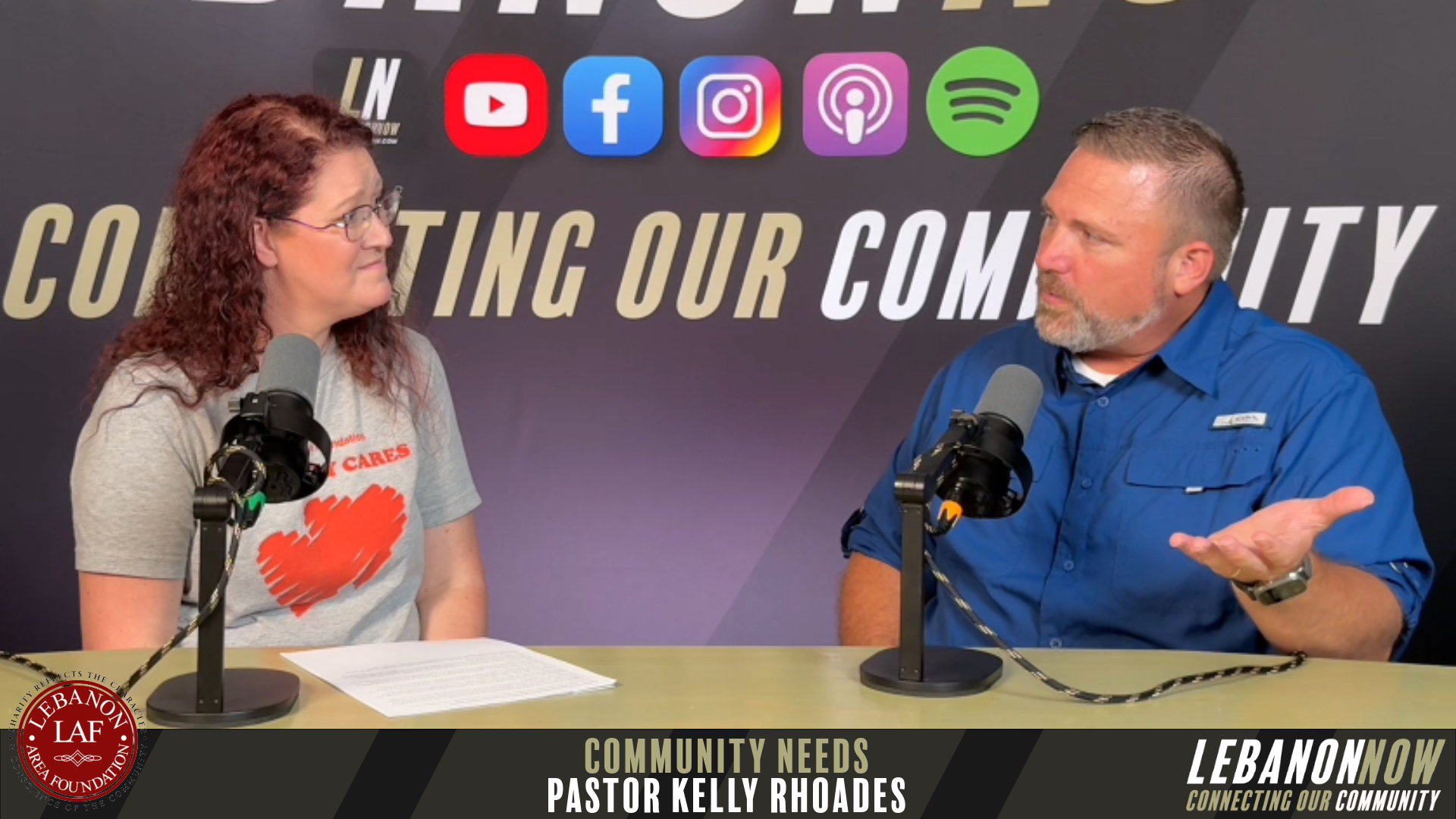
Part Three of a Three-Part Community Needs Series
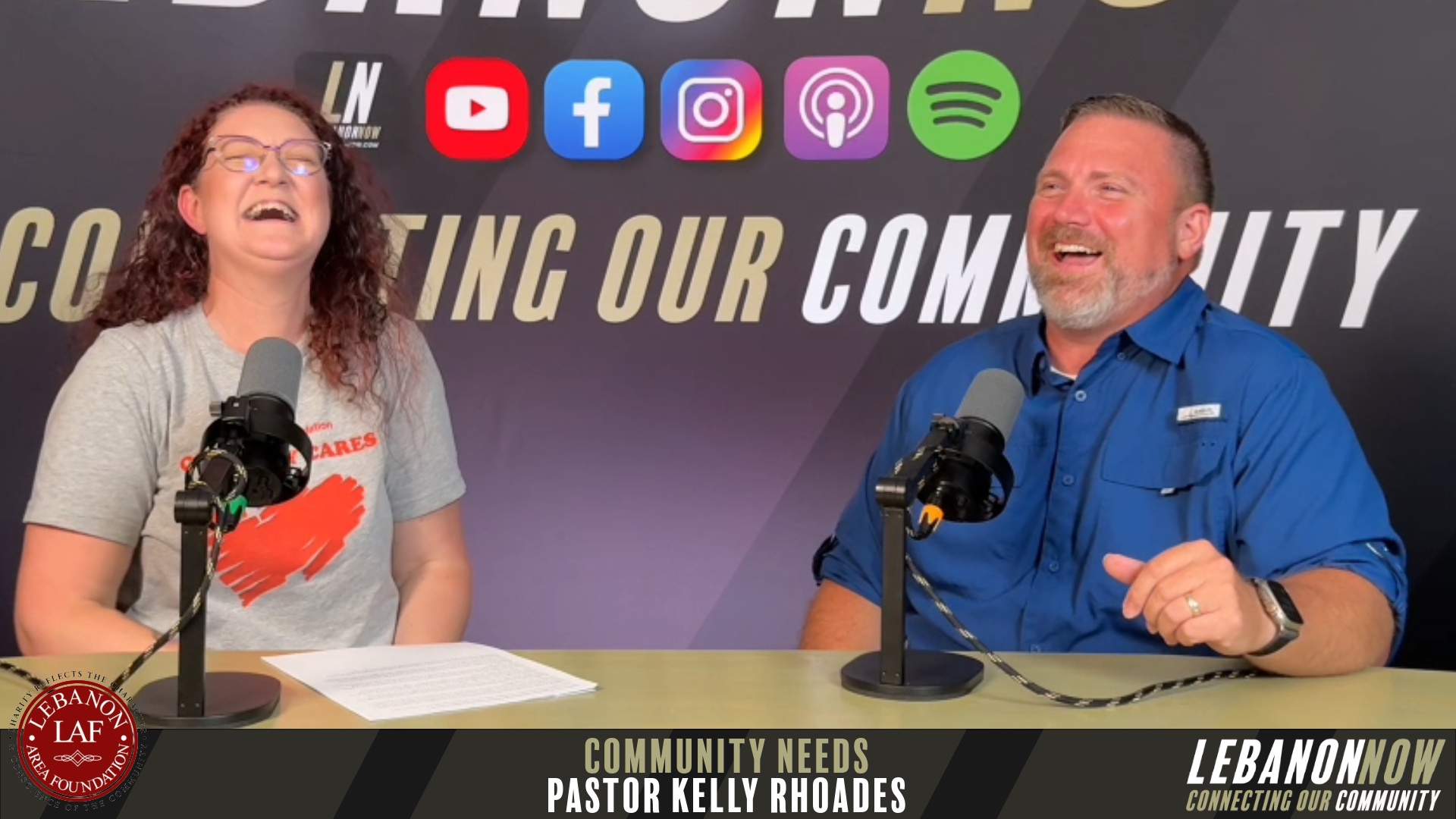
The September Community Needs series from the Lebanon Area Foundation, brought to the community by Lebanon Now, concludes with a conversation about men, mental health, counseling and the importance of recognizing when someone may be reaching a crisis point.
Part One of the series focused on physical health, discipline and community with Tim Cole of The Gym 24/7.
Part Two explored addiction, recovery and peer support with Michael Kerr of Lane Change.
For Part Three, Lebanon Now sat down with Pastor Kelly Rhoades of Lifepoint Church and Lifepoint Community Counseling to talk about the pressures men carry, the stigma surrounding counseling and the importance of connection when life becomes overwhelming.
Rhoades holds a master’s degree in counseling and brings both clinical training and pastoral experience into his work at Lifepoint. While he is not currently practicing as a clinical counselor, that background helps shape the church’s approach to ministry and community support.
Men Are Often the Hardest to Reach
Rhoades said men are often one of the most difficult groups for churches and other support organizations to reach.
Part of that, he believes, comes from the expectations placed on men.
They may be expected to provide, lead their families, remain strong, manage problems and show confidence, all while navigating changing expectations surrounding masculinity and relationships.
“There’s a lot of expectations,” Rhoades said. “And some of those expectations are just so hard to live up to.”
He said men can also find themselves being compared to unrealistic examples, including public figures whose lives are only seen through carefully selected moments.
Meanwhile, the man who gets up every day, goes to work, takes care of his family and continues showing up may not receive much recognition for that consistency.
“The man that shows up, the man that goes to work every day, the man that takes care of the cars and the grass, and he may not be perfect when it comes to everything else, but he’s faithful and he’s there,” Rhoades said. “That is a gift.”
Finding a Healthy View of Masculinity
Rhoades said supporting women and recognizing the challenges women face should not require diminishing men.
“If we’re elevating women at the expense of men, we’ve gone too far,” he said.
Instead, he believes communities should help men understand what healthy masculinity looks like.
Men may often be physically larger, louder or stronger, he said, but learning how to carry those characteristics with purpose, awareness and responsibility matters.
Counseling can be one place where men begin having those conversations.
A counselor can ask difficult questions, challenge unhealthy patterns and help someone develop a more balanced understanding of themselves.
That includes recognizing areas that need improvement without losing sight of the positive things they bring to their families and communities.
Rhoades said healthy counseling can help a person recognize both “the truth about some of your character defects” and “the amazing gift that you are to your family.”
Men Need Encouragement Too
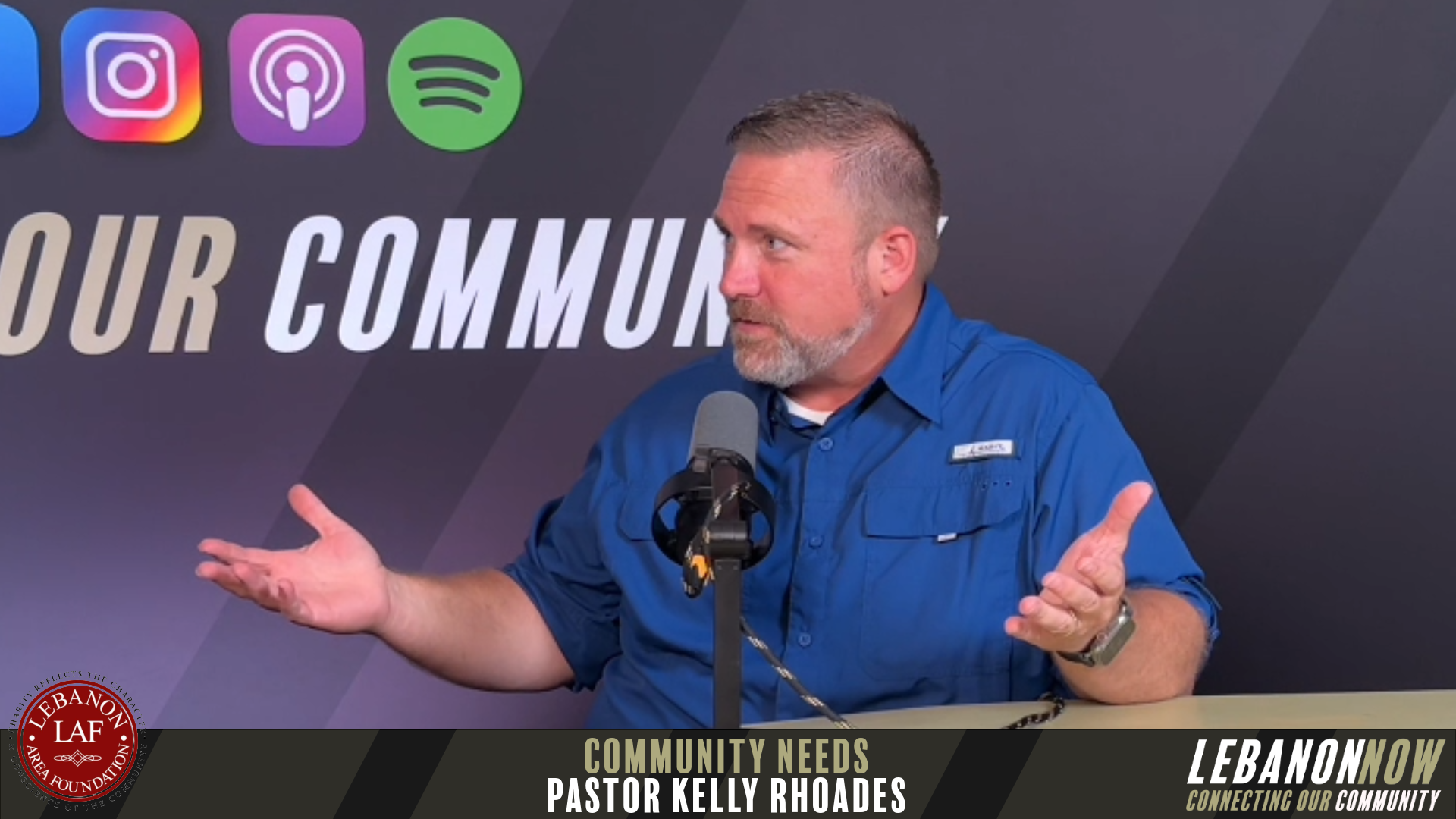
Rhoades also addressed something he believes is often overlooked in relationships: men need affirmation.
Women may generally have more socially accepted opportunities to talk openly with friends about relationships, emotions and personal struggles, he said, while men may be more likely to put up a facade that those things do not affect them.
Rhoades pointed to the concept of words of affirmation from Gary Chapman’s book The Five Love Languages.
“I have never met a man who’s not a words of affirmation guy,” Rhoades said.
A man may insist that words do not matter, but Rhoades said feelings of being unnoticed or unappreciated often tell a different story.
“As men, we need to hear from the people that we’re fighting for, ‘Good job,’” he said. “We need that encouragement.”
That affirmation can be especially important coming from a spouse.
Rhoades said he has preached thousands of sermons and received feedback from countless people, but his wife’s opinion carries a different weight.
“I don’t care what anybody says more than I care about my wife, what she has to say,” he said.
Twenty Minutes and One Compliment
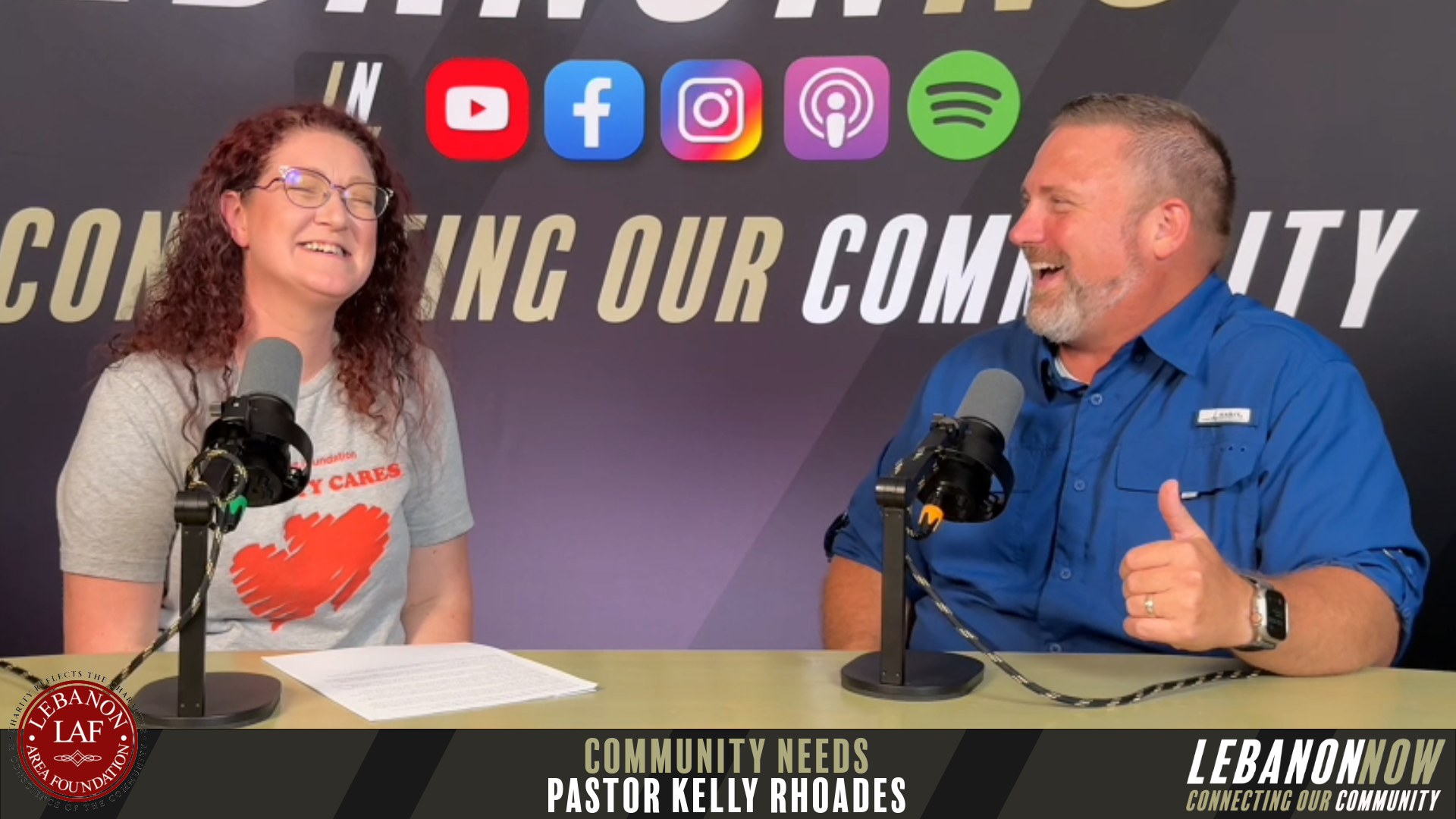
One of Rhoades’ recommendations for couples is simple: spend 20 minutes every day talking to one another without distractions.
With work, children, activities, phones and everyday responsibilities competing for attention, even that amount of uninterrupted time can be difficult to find.
But he said intentionally setting aside that time can dramatically change communication within a relationship.
The goal is conversation, not confrontation.
Rhoades also encourages couples to offer one meaningful compliment every day.
It should go beyond a superficial comment about someone’s appearance.
Instead, he encourages people to notice something specific.
Maybe it was the way a spouse handled a difficult situation with the children, solved a problem or supported the family.
The point, he said, is to pay attention.
“It’s actually taking time to notice,” Rhoades said.
When Isolation Becomes a Warning Sign
The conversation eventually turned to one of the most serious issues facing the community: suicide.
Rhoades said one of the biggest warning signs he watches for is isolation, but he made an important distinction between healthy retreat and unhealthy withdrawal.
Some people, particularly men, occasionally need time alone to recharge.
Going hunting, fishing or simply stepping away from noise for a while can be healthy.
The concern comes when someone begins intentionally separating themselves from people and activities that previously mattered to them.
That might mean avoiding family gatherings, missing children’s activities, staying home instead of participating in events they once enjoyed or repeatedly pushing people away.
“When you see someone intentionally distancing themselves from the things that bring so much life and purpose and healthy connection, that’s a sign to be looking for,” Rhoades said.
He said substance abuse combined with increasing isolation can create another major warning sign.
The common thread is withdrawal from relationships.
“We are made for relationship,” Rhoades said.
Changing the Way Men See Counseling
Men are often reluctant to seek counseling, and Rhoades said changing that stigma will require men themselves to speak more openly about getting help.
He cautioned that forcing or repeatedly pressuring someone into counseling can sometimes make them even more resistant.
Instead, he believes men who have influence should be willing to talk about their own experiences with counseling, mentoring and asking for help.
“You don’t have to have the title president behind your name to be in leadership,” Rhoades said. “You are leading yourself. You are leading sons and daughters. You are leading coworkers. People are following you.”
Rhoades includes himself in that conversation.
Despite holding a master’s degree in counseling, he also sees a counselor himself.
He spoke about losing his grandfather in 2018 and experiencing grief in a way he had never anticipated.
“It affected me in ways I never thought it would affect me,” Rhoades said.
His grief affected his behavior at home, his work at the church and other areas of his life.
Eventually, his wife suggested he speak with a counselor.
“You’re absolutely right,” Rhoades remembers telling her.
Counseling gave him someone who could see what he was experiencing, challenge him and help him work through the grief.
He also leaned heavily on trusted mentors.
Rhoades said being willing to share that experience publicly helps normalize counseling for other men.
“When people hear, ‘Pastor Kelly saw a counselor,’ maybe it’s okay that I can see one,” he said.
Sometimes You Just Need Someone
Not every situation requires a clinical therapist.
Sometimes, Rhoades said, a man simply needs a trusted friend.
“A lot of guys just need someone that they can talk to,” he said.
Sometimes they may not even need to talk much.
They may simply need another person beside them while working on a car, fishing, exercising or doing something they enjoy.
The important part is knowing they are not alone.

Rhoades said hopelessness and helplessness can become dangerous when someone begins believing nobody cares and nobody would miss them.
That is why reaching out matters.
“It’s difficult to make that decision whenever people are loving on you, caring for you, reaching out to you, being kind to you,” Rhoades said.
His message to the community is to become more intentional about showing people they matter.
Sometimes people believe their actions already communicate that love.
Rhoades said men may need to hear it spoken aloud too.
Lifepoint Community Counseling
Lifepoint Community Counseling was created in response to a shortage of accessible counseling services in the Lebanon area.
Rhoades said online counseling has expanded access significantly, but it does not work for everyone.
Some people lack reliable high-speed internet. Others simply respond better to an in-person counseling environment.
Lifepoint has worked with master’s-level counseling students from programs including Evangel University, John Brown University, Webster University and Missouri State University.
Those students receive supervision both through Lifepoint and through their university programs.
Because student counselors cannot be paid for those internship hours, counseling sessions with them can be offered at no cost.
Rhoades said Lifepoint is also working toward expanding its program to include provisionally licensed and fully licensed counselors, with services ranging from individual counseling to family therapy.
Demand has been strong, and availability can change as additional counselors join the program.
People interested in services are encouraged to contact Lifepoint directly to ask about current openings.
Rhoades stressed that counseling services are confidential and separate from church activities and calendars.
People seeking counseling also do not have to be Christian.
“You don’t have to be Christian to receive counseling services,” Rhoades said. “We welcome all.”
The Common Thread: Community
Across all three conversations in this Community Needs series, one theme continued to surface.
People need people.
At The Gym 24/7, Tim Cole talked about physical health, discipline and the relationships built while exercising alongside others.
At Lane Change, Michael Kerr talked about peer support, addiction recovery and finding people who understand the struggle because they have lived through it themselves.
At Lifepoint, Kelly Rhoades talked about counseling, marriage, mentorship and recognizing when healthy solitude has turned into dangerous isolation.
Physical health, addiction recovery and mental health care may seem like separate topics.
In reality, they are often connected.

Taking care of ourselves can mean building physical strength and discipline, finding recovery support when addiction has taken control, talking with a counselor when life becomes too heavy or simply allowing another person to know what we are carrying.
For anyone feeling overwhelmed or in immediate emotional distress, the 988 Suicide & Crisis Lifeline is available by calling or texting 988
The message from this three-part series is simple: seeking help is not weakness, and no one should have to carry everything alone.
The September Community Needs series is presented by the Lebanon Area Foundation and brought to you by Lebanon Now.