Local News · Community
Girl Power: Understanding PCOS. A Conversation with Nurse Practitioner Kiarra Pearcy
By Sarah Hampton ·
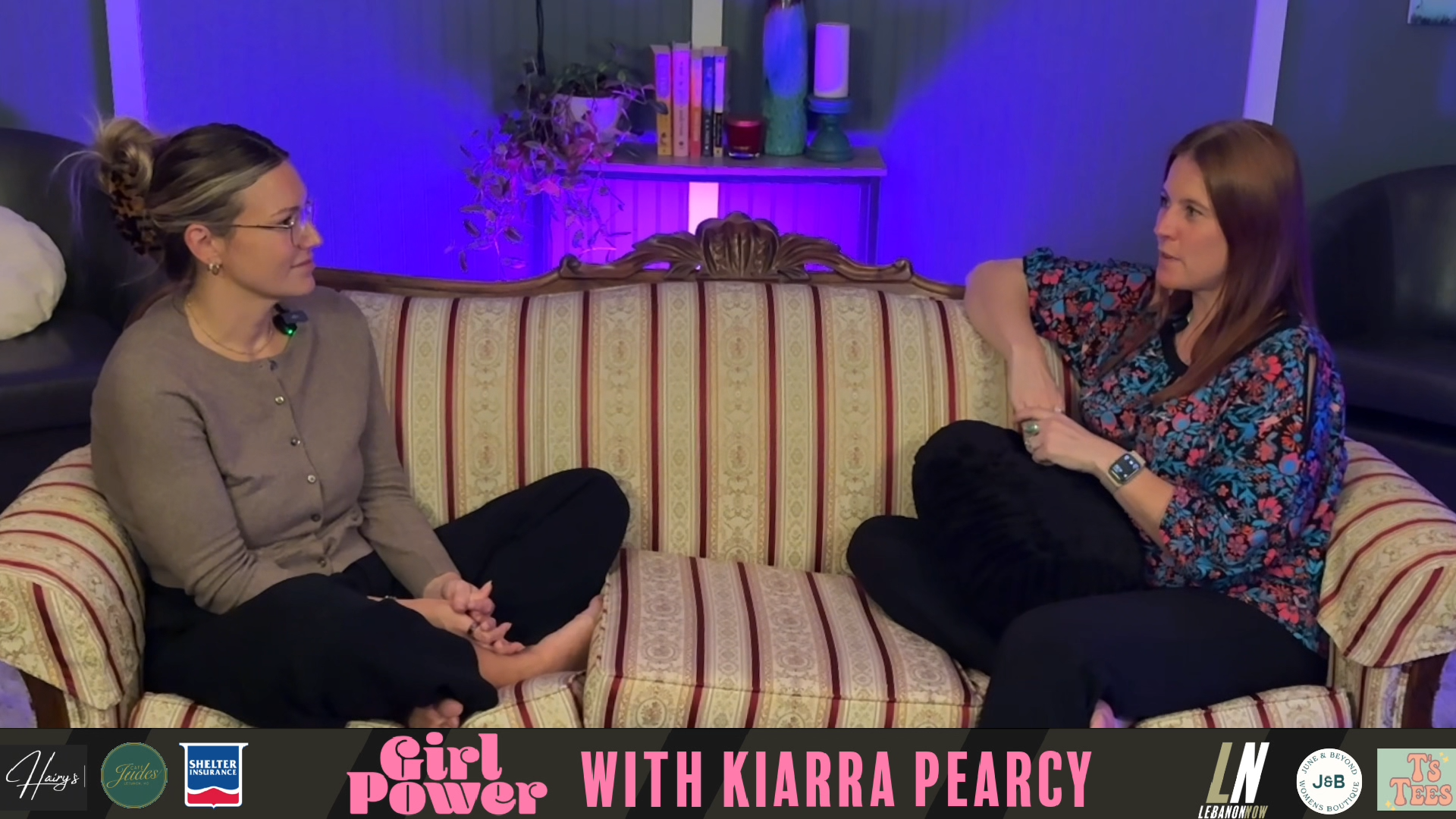
Women’s health can be complicated, and sometimes we don’t realize how much we don’t know about our own bodies until we start asking questions. Recently, I sat down with Nurse Practitioner Kiarra Pearcy for another episode of Girl Power to discuss Polycystic Ovary Syndrome, better known as PCOS. I had heard of PCOS before, but I’ll admit I didn’t know much about it beyond what the letters stood for.
What I learned during our conversation was that PCOS affects much more than just a woman’s ovaries. It can influence menstrual cycles, hormone levels, weight management, fertility, and even mental health. Perhaps most importantly, it’s a condition that can look very different from one woman to another.
What Exactly Is PCOS?
Kiarra explained that PCOS is a hormonal and metabolic condition that affects how a woman’s ovaries function. For years, the condition was primarily associated with multiple small follicles appearing on the ovaries. However, medical professionals now understand that not every woman with PCOS has polycystic ovaries. In fact, much of the conversation surrounding PCOS today focuses on the metabolic side of the condition, particularly insulin resistance.
Women naturally produce both estrogen and androgens, which are often referred to as male hormones. However, women with PCOS may produce higher-than-normal levels of androgens, which can interfere with ovulation and cause a variety of symptoms. Insulin resistance can make those hormonal imbalances worse. Essentially, when the body isn’t responding to insulin properly, it can create a chain reaction that affects hormone production and menstrual cycles.
Recognizing the Symptoms and Understanding Ovarian Cysts
One of the biggest things I took away from our conversation was how many symptoms women might overlook or simply assume are normal. When I asked Kiarra what women should be watching for, she explained that irregular menstrual cycles are one of the most common warning signs. Some women with PCOS may go three or six months without a period, while others may go considerably longer.
Other symptoms can include excessive facial or body hair, persistent cystic acne, thinning hair on the scalp, and difficulty managing weight. Kiarra explained that women experiencing dark, coarse hair growth on their chin, upper lip, chest, stomach, or thighs may be showing signs of elevated androgen levels. She also pointed out that while hormonal acne is common during adolescence, women who continue experiencing deep, painful acne along their jawline into adulthood may want to have their hormone levels evaluated.
Another symptom that surprised me was hair loss. Some women with PCOS experience thinning hair near the crown of their head, similar to male-pattern hair loss. Kiarra also discussed how women with PCOS experience higher rates of anxiety and depression, along with an association between PCOS and lower vitamin D levels.
During our discussion about symptoms, Kiarra also explained something interesting about ovarian cysts. Despite being part of the condition’s name, having an ovarian cyst doesn’t automatically mean a woman has PCOS.
Functional ovarian cysts are actually a normal part of the menstrual cycle. Follicles develop as the body prepares to release an egg, and certain types of cysts can form naturally during this process. Many resolve on their own without treatment.
Kiarra explained that sometimes cysts are discovered accidentally during imaging for an unrelated medical concern. Other types of cysts may require additional monitoring depending on their size, appearance, and associated symptoms.
The important thing to understand is that not every ovarian cyst is abnormal, and not every woman with PCOS has polycystic ovaries. Experiencing one of these symptoms doesn’t automatically mean you have PCOS, but it may be worth discussing with your healthcare provider.
Why Having a Period Matters
Something I found particularly interesting was Kiarra’s explanation of why having regular menstrual cycles matters. When women aren’t ovulating regularly, the lining of the uterus can continue to thicken without being shed through menstruation. Over time, this can increase the risk of endometrial hyperplasia and potentially endometrial cancer. Kiarra explained that women who go several months without a period may need treatment to protect their uterine lining.
Naturally, that brought up a question I had personally. What about women like me who have an IUD and don’t have regular periods? Kiarra explained that certain hormonal IUDs, such as Mirena, actually keep the uterine lining thin. Because the lining isn’t building up in the same way, not having a period while using this type of birth control can be completely normal. I thought that was fascinating because it’s something many women may not fully understand, even if they’ve been using birth control for years.
PCOS Doesn’t Have a Specific Body Type
Another misconception we discussed was the idea that PCOS only affects women who are overweight. Although PCOS is frequently associated with higher body weight and insulin resistance, women who are thin can also have the condition. I brought up a woman in our community who had shared her PCOS diagnosis despite being very slender. Kiarra explained that treatment for women with a normal or low body weight may look different because weight loss isn’t necessarily appropriate or beneficial.
Instead, treatment focuses on the symptoms they’re experiencing. Someone struggling with excessive facial hair or acne may benefit from medication that reduces the effects of androgens. Someone experiencing irregular menstrual cycles may need hormonal treatment, while someone hoping to become pregnant may need help with ovulation. The important thing to understand is that PCOS doesn’t look the same in every woman, and treatment shouldn’t either.
Diet, Exercise, and Insulin Resistance
One of Kiarra’s biggest recommendations for many of her patients is to begin with manageable changes to diet and physical activity. She encourages women to focus on eating adequate protein, incorporating vegetables and fiber, and adding strength training to their routines. Muscle plays an important role in helping the body use glucose, and building muscle can improve insulin sensitivity.
We also talked about carbohydrates. I asked whether a high-protein diet meant women with PCOS should also be eating fewer carbohydrates. Kiarra explained that women don’t necessarily have to eliminate carbohydrates. Instead, she encourages balanced meals and paying attention to how different foods affect blood sugar. She even shared a simple suggestion: eating protein and vegetables before carbohydrates may help reduce blood sugar spikes after meals.
Of course, we also got sidetracked talking about our favorite vegetables, steak, and pizza. Because while taking care of our health is important, I think we can all agree that completely giving up the foods we love isn’t always realistic!
Treatment Options for PCOS
When it comes to treatment, Kiarra explained that there are several options depending on a woman’s symptoms and personal goals. Hormonal birth control is one option because it can help manage menstrual irregularities, reduce certain hormonal symptoms, and protect the uterine lining. However, she also recognizes that some women prefer not to use hormonal contraception.
Another option is metformin, a medication commonly used to treat Type 2 diabetes. Because metformin improves insulin sensitivity, it can also help some women with PCOS experience more regular menstrual cycles and ovulation. Kiarra discussed using metformin with certain patients who are trying to become pregnant, although fertility treatments vary depending on individual circumstances.
She also mentioned spironolactone, a medication that can help with unwanted facial hair and hormonal acne, along with supplements such as inositol, which some women use to support insulin sensitivity. Research into the effectiveness of these supplements is ongoing, and women should discuss them with their healthcare providers before beginning treatment.
PCOS and Fertility
For women hoping to start or grow their families, PCOS can sometimes make getting pregnant more difficult because it interferes with regular ovulation. However, having PCOS doesn’t mean pregnancy is impossible.
Kiarra explained that improving insulin sensitivity can help some women begin ovulating more regularly. Medications such as metformin may be helpful in certain situations, while others may benefit from additional fertility treatments. The best approach depends on each woman’s individual circumstances.
What About a Hysterectomy?
Toward the end of our conversation, I even asked whether having a hysterectomy would eliminate PCOS. As it turns out, removing the uterus doesn’t necessarily address the hormonal and metabolic issues associated with the condition. Removing the ovaries is a separate procedure and isn’t a standard treatment for PCOS.
That question reminded me why I enjoy having these conversations. There are so many things about women’s health that we may not understand, and sometimes we’re hesitant to ask because we think we should already know the answers. But that’s exactly why we’re having these discussions on Girl Power.
Understanding Our Bodies and Asking Questions
My biggest takeaway from sitting down with Kiarra was that women need to pay attention to their bodies and recognize when something doesn’t seem right. Irregular periods, persistent acne, unwanted hair growth, or difficulty managing weight may seem like separate issues, but sometimes they’re connected.
While PCOS doesn’t have a cure, there are treatments and lifestyle changes that can help women manage their symptoms and improve their quality of life. I appreciate Kiarra taking the time to explain a complicated subject in a way that’s easier to understand, and I hope our conversation encourages women in our community to ask questions, advocate for themselves, and feel comfortable discussing their health.
Because the more we understand about our bodies, the better equipped we are to take care of them.
Watch the FULL interview at https://www.lebanonmonow.com/shows/girl-power
This article is intended for educational purposes and should not replace medical advice from a qualified healthcare professional.