Local News
Marvin Basnett: The War That Followed Him Home
By Lebanon Now Staff ·
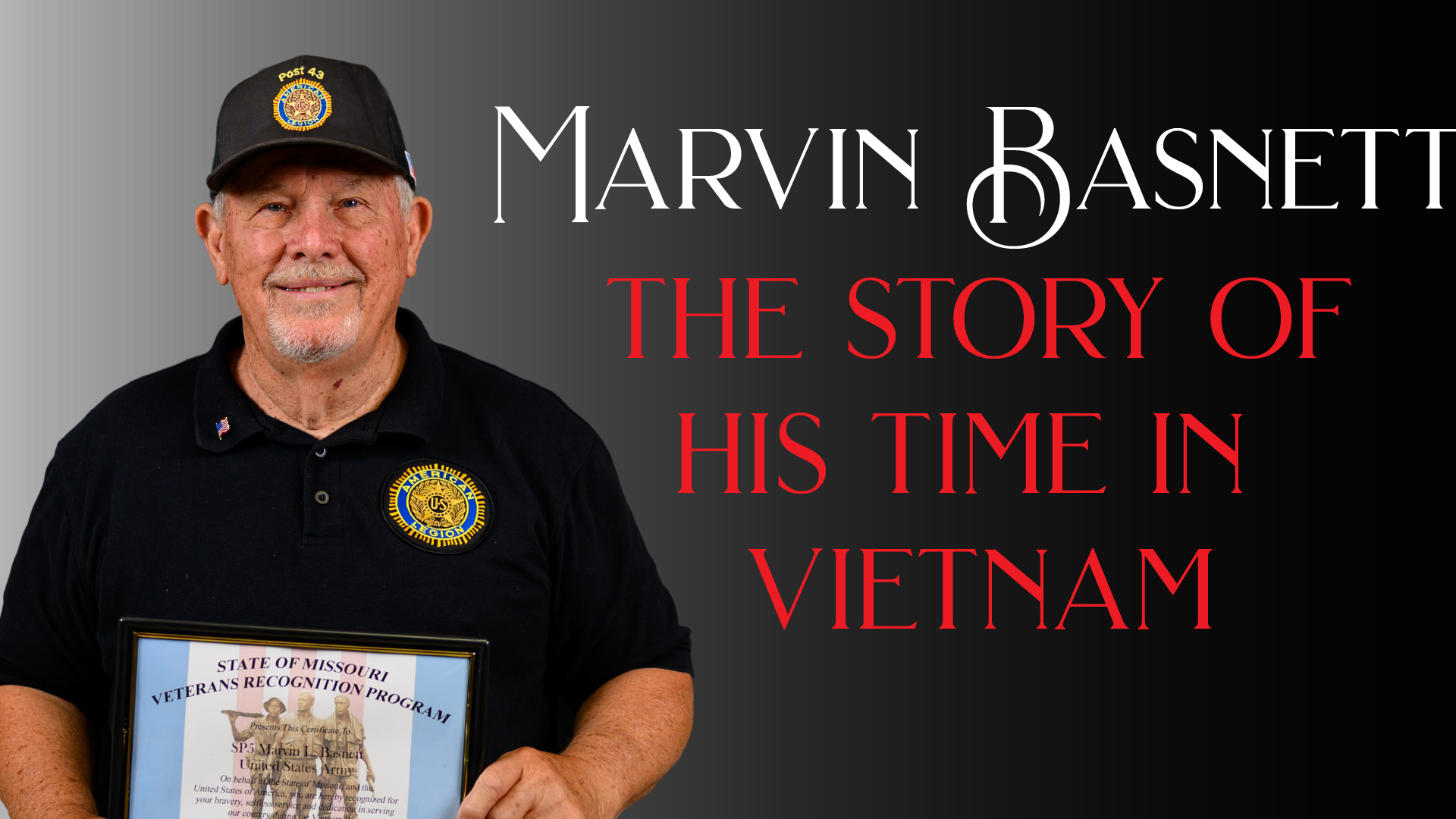
Marvin Basnett: The War That Followed Him Home
More than five decades after Vietnam, a Lebanon veteran reflects on the men he lost, the life he returned to, and the woman who helped him live with PTSD.
Marvin Basnett was working at Detroit Tool in Lebanon, Missouri, when the United States government decided it had other plans for him. His brothers worked there, his uncles worked there, and several other members of his family worked there. He had graduated from high school and followed them into the family business of making a living.
Then came the draft notice.
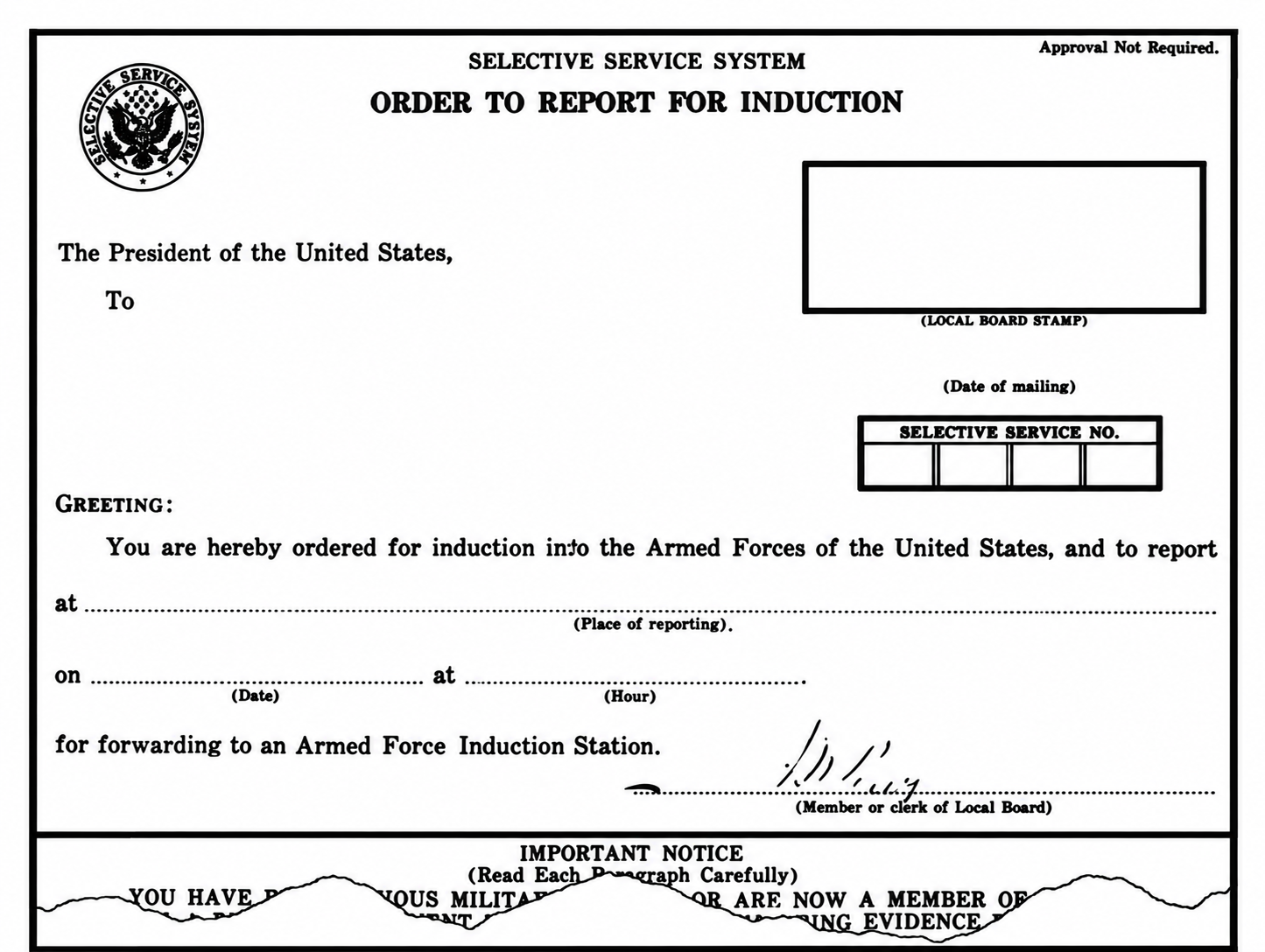
At the top of the letter was the word “Greetings,” followed by the news that his friends and neighbors had decided to induct him into the United States Armed Forces.
“If you’ve got friends and neighbors like that, I don’t need no enemies,” Marvin recalled.
He was an old country boy, as he describes himself, being sent to see a part of the world he had no particular interest in seeing. He left on his 20th birthday and returned from Vietnam on his 21st, with considerably more experience than he had wanted.
Now 77, Marvin still lives in Lebanon, the town he has called home nearly his entire life. He can laugh about some of what happened during his military service. Other memories, particularly those involving the men who didn’t come home, have stayed with him for more than half a century.
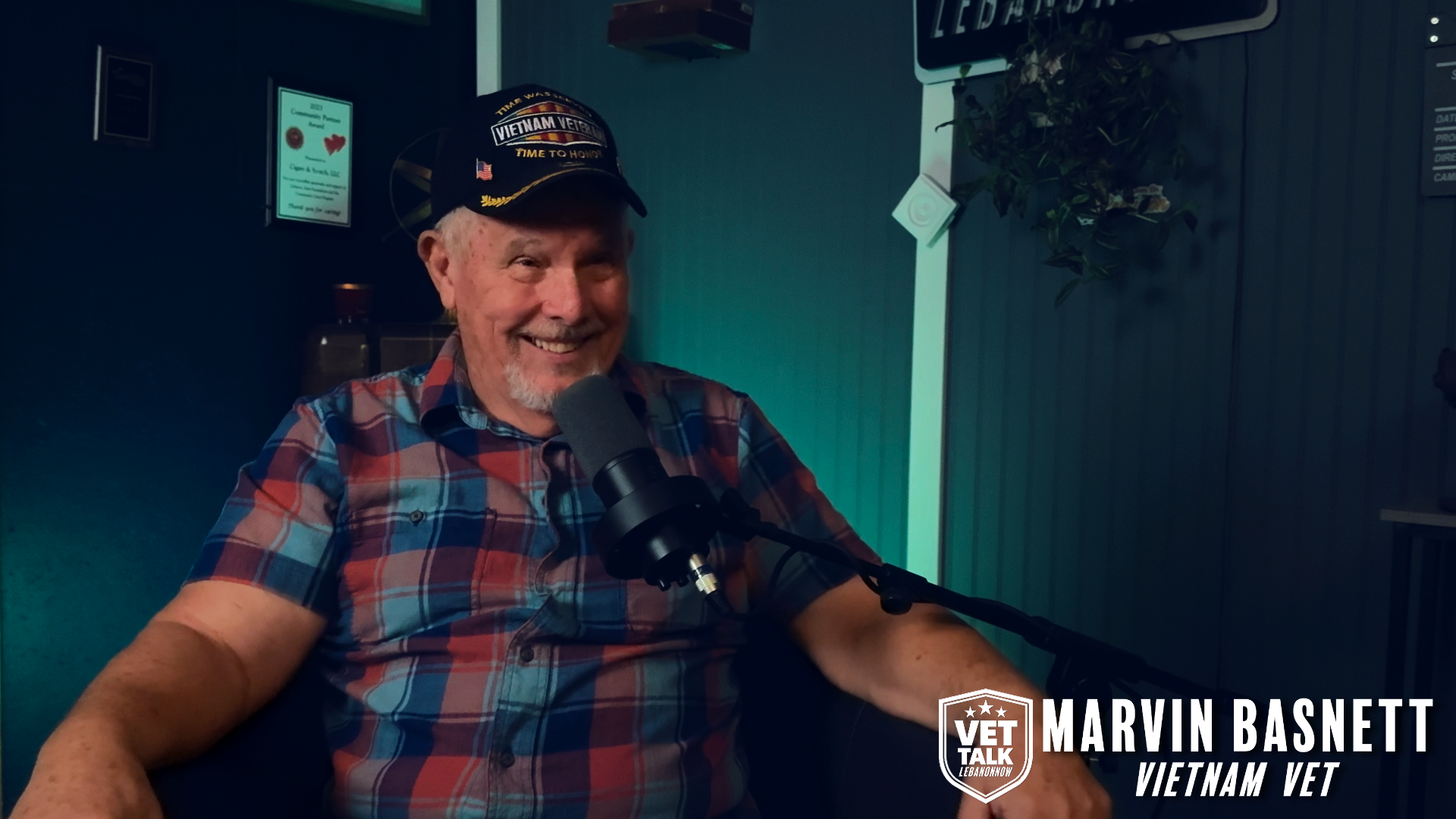
Three Candy Bars and a Trip to Vietnam
During his training at Fort Hood, Marvin managed to make friends with several sergeants who had spent time in Lebanon. They complained that the girls in town were stuck up. Marvin told them that if they could get him a pass, he’d get them set up with some girls.
They got him the pass, and he kept his word.
A few weeks later, a jeep arrived at the training area looking for Private Basnett and another soldier named Lawrence. Neither knew what they’d done.
The two were taken to an office, where they were given a Coke and a candy bar. They had scored exceptionally high on their aptitude tests, the officers explained, and the Army wanted them to attend officer training. There was one condition: as draftees, they would have to agree to another year of service.
Lawrence accepted immediately. Marvin asked for another day to think about it.
The next day, the jeep returned. So did the Coke and candy bar. Marvin requested another day.
On the third visit, he finished his refreshments before announcing that he wasn’t interested.
The Army wasn’t pleased.
His original orders were subsequently rescinded. When Marvin asked a friend why, he was told it had to do with the trick he’d pulled a few weeks earlier. His original assignment would have been in intelligence. Now, he was told, he could expect a combat assignment in Vietnam.
The Things Marvin Basnett Saw in Vietnam
Marvin Basnett still laughs about the three Cokes and three candy bars he managed to get out of the Army before turning down an offer to become an officer. Looking back, he acknowledged that he could have gone to officer school and ended up in Vietnam as a second lieutenant.
“There was more second lieutenants got killed by friendly fire than they did by combat.”
It was one of the things Marvin said Americans weren’t being told about the war. He had seen enough during his service to know that not everything happening in Vietnam was making its way into the newspapers or onto television.
Marvin brought up Lieutenant William Calley and the My Lai massacre, where American soldiers killed Vietnamese civilians. For many Americans, My Lai became one of the most disturbing revelations of the Vietnam War. Marvin’s response was even more disturbing.
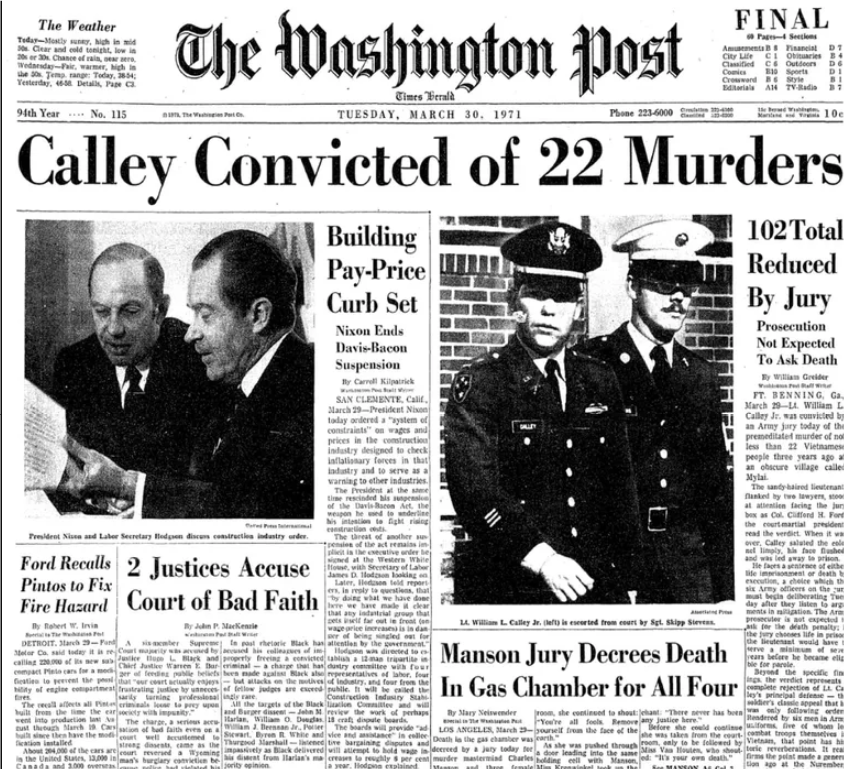
“Same way with that Calley and Lieutenant Calley incident. You know, I seen that hundreds of times over there.”
He stated that American soldiers would go into Vietnamese villages and burn them.
“There was always a bunch of gung-ho people, soldiers, that wanted to start shooting,” Marvin said.“It was hell. It was hell over there.”
Marvin believed the news media of the time failed to reveal much of what was happening.
“You never heard this in the news media,” he said when discussing the deaths of second lieutenants. He felt the same about the violence against Vietnamese civilians.
“The news media helped back then. They did not expose it like they would today.”
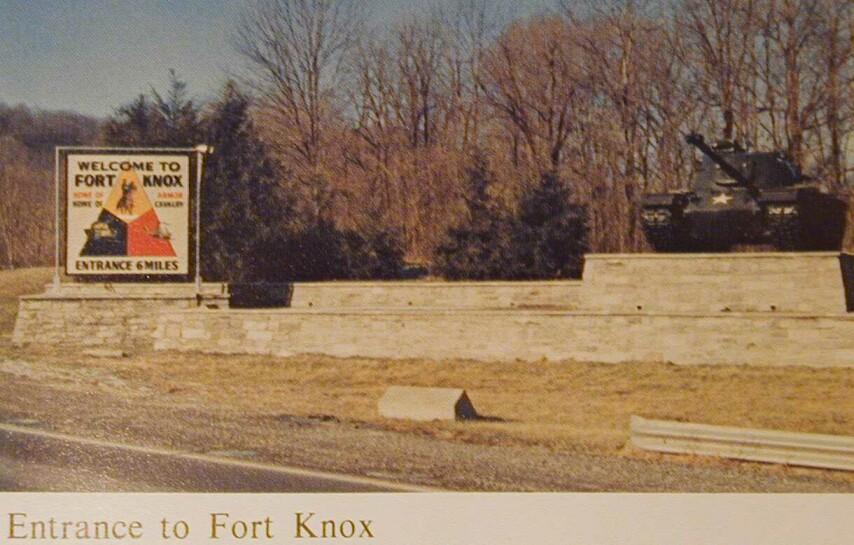
A historical photograph of the entrance to Fort Knox, Kentucky, where Marvin Basnett received advanced training on the M551 Sheridan tank before deploying to Vietnam.Marvin trained at Fort Knox to operate Sheridan armored assault vehicles. His unit was supposed to attend jump school, but the Army said there wasn’t time. The tanks were already waiting overseas. His leave before deployment was cut from 30 days to 15.
When they arrived in Vietnam, the tanks weren’t there.
Marvin spent approximately four months serving with an infantry unit before the equipment finally arrived.
“That’s the way the Army is. It’s always hurry up and wait.”
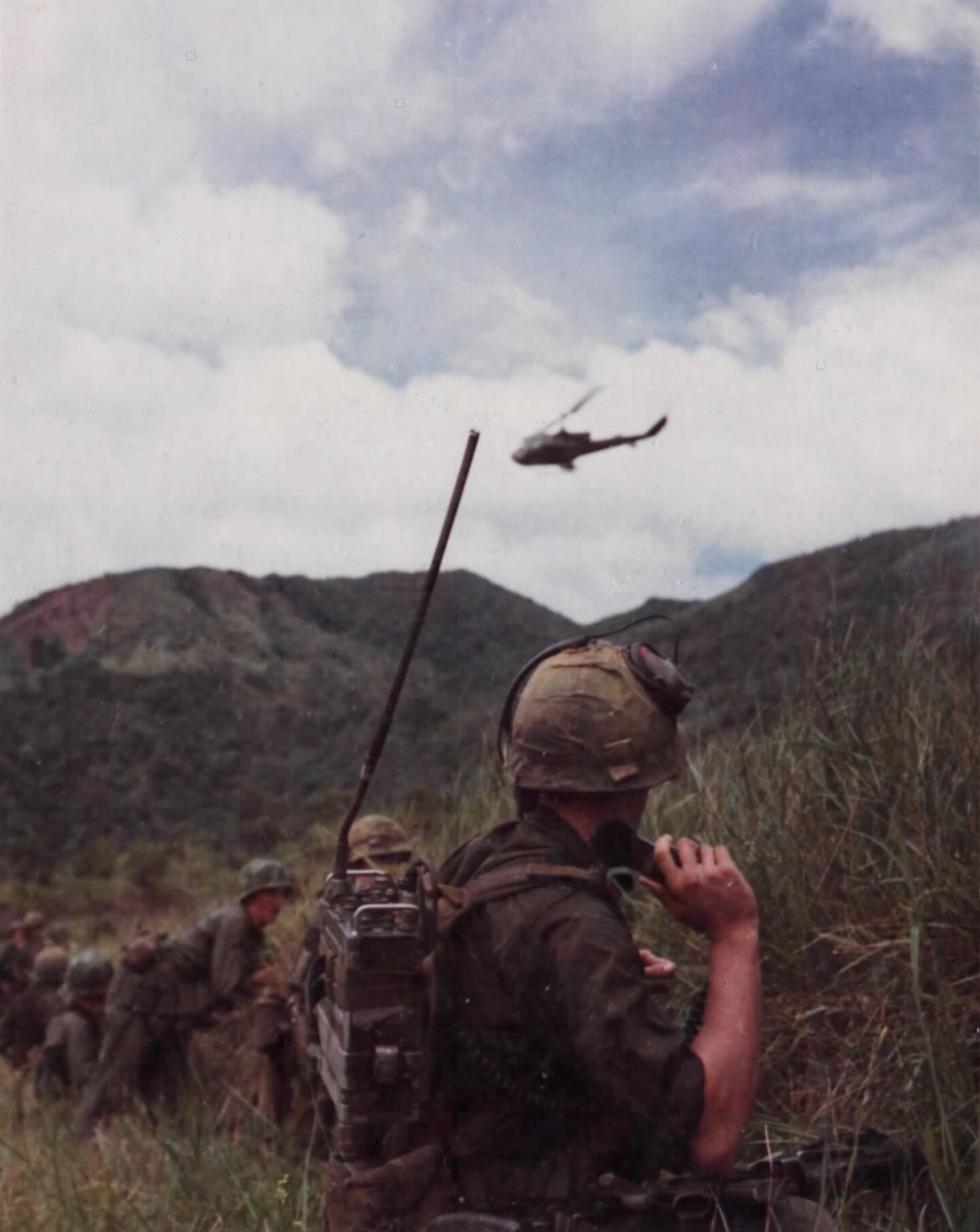
Photo Credit: U.S. Army / Wikimedia Commons. His unit eventually operated in an area connected to the A Shau Valley, a major infiltration route used by North Vietnamese forces. The fighting involved mines, booby traps, rocket-propelled grenades, and an enemy that wasn’t always easy to identify.
Marvin remembered protecting Vietnamese civilians during the day while knowing that some might be helping the enemy at night. The uncertainty troubled him, as did the politics of the war itself.
He recalled searching the belongings of Vietnamese soldiers who had been killed and finding photographs of their wives and children. The men on the other side had families, too. Marvin doubted they wanted to be there any more than he did.
“We’re fighting a war for Washington. We’re just puppets.”
He also questioned a government that considered him old enough to fight and die in Vietnam but not old enough to vote or drink.
The fighting was dangerous, and Marvin lost friends. Some were killed when their vehicles struck mines. Others died in combat. He remembered soldiers who survived months of fighting only to be killed shortly before they were scheduled to return home.
One particular incident left him with questions he still cannot answer.
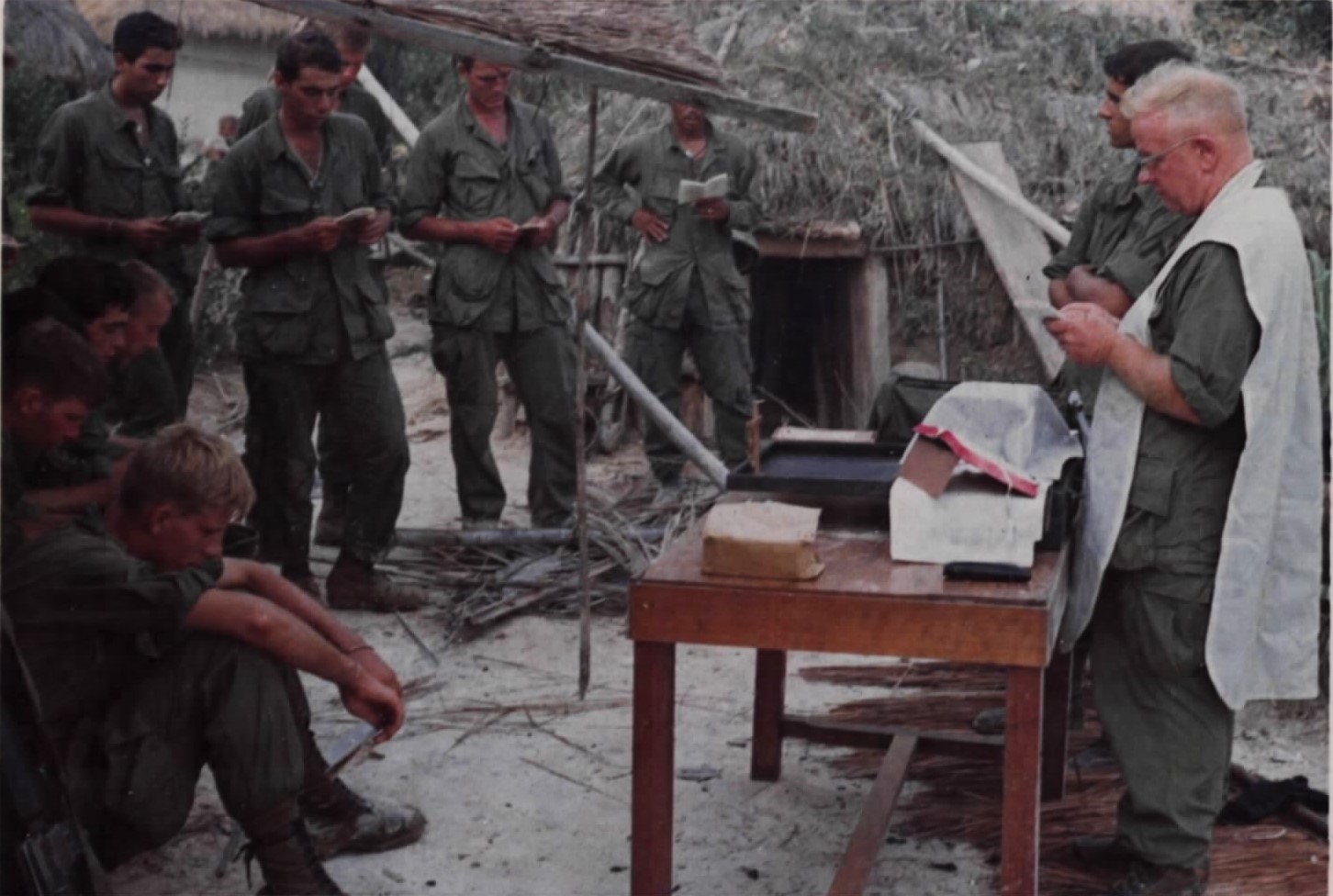
U.S. Army Chaplain Major Melvin V. Haggin conducts Catholic Mass for soldiers of the 3rd Brigade, 4th Infantry Division, outside a Vietnamese hut on August 30, 1967.
Photo Credit: SP5 Robert C. Lafoon / U.S. Army / National Archives. Public Domain.
The Pain in His Foot
Marvin had a brother who drowned when Marvin was young. Years before that loss, when Marvin was still a child, he had been frightened by the possibility of someday going to war. There wasn’t a war going on at the time, but the thought bothered him.
His brother told him not to worry.
“Marvin, you don’t need to worry about it. You’ll be taken care of.”
Marvin hadn’t thought much about those words until several close calls in Vietnam brought them back to mind.
His unit had lost its company commander, and an infantry officer had been assigned to lead the tank crews. The new commander decided to leave the tanks behind and send soldiers into the surrounding hills to search caves.
The men were divided into groups of four. One group would enter a cave while another remained outside to provide security.
When it came time for Marvin to enter, he felt a sharp pain in the arch of his foot. It felt, he said, like someone was sticking a knife into it.
He told the other soldiers to take that cave and that his group would handle the next two.
Marvin sat down and removed his boot to find whatever was causing the pain.
Before he could finish, an explosion came from the cave.
The four soldiers who had entered had triggered a booby trap. All four were killed.
Marvin searched his boot but couldn’t find anything that explained the pain. He put it back on, and the pain was gone.
“I think he might be my guardian angel,” Marvin said of his brother.
The incident was one of several experiences that left him feeling someone might have been watching over him. He knew others might call it luck, and he had seen plenty of soldiers who weren’t lucky.
Some were killed on their first day in Vietnam. Others died on their last.
When Marvin had the opportunity to extend his time overseas by 15 days to qualify for an early discharge, he declined. He had already seen too many men killed when they were close to going home.
He would leave when he could.
About a week after his departure, his former unit suffered another serious attack.

A Flying Tiger Line McDonnell Douglas DC-8-63CF photographed in Paris, France, in August 1980. Flying Tiger aircraft transported American military personnel during the Vietnam War era.
Photo Credit: Michel Gilliand / Wikimedia Commons. Licensed under GNU Free Documentation License 1.2.Coming Home
Marvin’s return flight provided one of the lighter memories of his military service.
The soldiers preparing to leave Vietnam were divided between two aircraft. One group was assigned to a United Airlines flight. Marvin and the remaining men were assigned to a Flying Tiger aircraft, a former cargo plane converted to carry passengers.
The men boarding the United flight were delighted. They teased the others, promising to see them back in “the world.”
Marvin’s group was considerably less enthusiastic about their assignment.
Once airborne, however, the captain explained that the United flight would have to travel through Japan and Anchorage, Alaska, before reaching Seattle. Their Flying Tiger aircraft had enough fuel to cross the Pacific directly.
The United flight would take approximately 26 hours. The Flying Tiger flight would take about 11.
Marvin’s group reached Seattle, completed their processing, received their dress uniforms, and was preparing to leave when the United flight finally arrived.
“Welcome to the world, boys,” they told the late arrivals.
Marvin also gained an unusually long 21st birthday out of the trip. Crossing the International Date Line meant he arrived in Seattle at an earlier local time than he had departed Vietnam.
The reception on American soil was not entirely pleasant.
Marvin recalled protesters waiting for returning soldiers in Seattle, shouting insults and calling them baby killers.
“There was no respect given to the Vietnam veteran at that time,” he said.
He sees a considerable difference today. Children now approach him to thank him for his service, something he didn’t experience when he first came home.
In Lebanon, there were no large protests to contend with. Marvin simply returned to Detroit Tool and went back to work.
It was almost as though he’d never left.
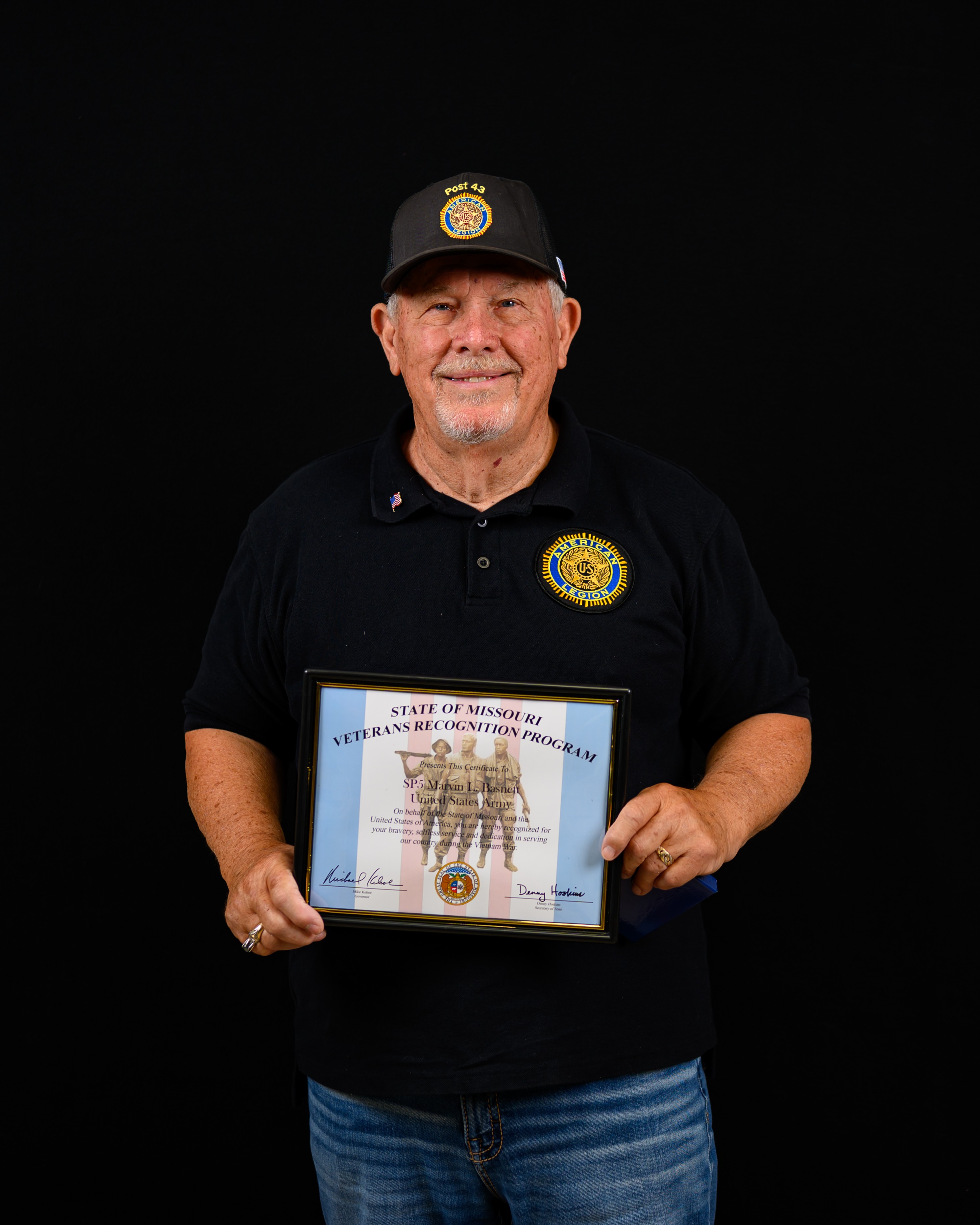
The Years After Vietnam
Marvin had survived a year in Vietnam, but adjusting to life in Lebanon took longer.
He didn’t sleep soundly. The smallest noise could wake him, and he remained alert even when there was no immediate danger. It took time to feel secure again.
His personality had changed, too.
He became more withdrawn and found it difficult to develop the same emotional attachments he’d once had. He recognizes those changes as part of his post-traumatic stress disorder, or PTSD.
“You’ll never be the same. Never. You go through an experience like that, you’ll never be the same.”
Marvin knows other veterans endured worse experiences than he did, but that hasn’t lessened the effects of his own service. More than five decades later, some of those changes remain.
He doesn’t believe he will ever completely return to the person he was before Vietnam.
When it came to finding some stability in his life, marriage made a considerable difference.
“Probably when I got married, it settled me down a little bit,” Marvin said.
He described marriage as the main thing that helped him return to something resembling normal life, although he was careful to explain that normal has never meant being entirely free of PTSD.
His wife still tells him he can be cold toward her. Marvin acknowledges that emotional attachment remains difficult, even with the person closest to him.
“That’s just the way it is. I mean, that’s part of that PTSD.”
He doesn’t expect that part of himself to change completely.
But he also knows what his wife has meant to him.
“She was my rock, I guess, that kept me from going over the edge.”
Marvin said he never believed he had reached that edge, although there were times when he felt himself approaching it. Something always seemed to pull him back.
His wife was a large part of that.
Not long ago, Marvin told her that if he hadn’t married her, he probably wouldn’t still be alive.
She asked what he meant.
He couldn’t say exactly what his life would have looked like without her. He simply believed it would have been very different.
“I just don’t think I’d be alive,” he said.
Marvin also receives professional care for PTSD through the military health care system. He sees a doctor and a psychologist in Columbia and says the treatment has helped him considerably.
The effects of Vietnam have never entirely disappeared, but neither has the support that helped him through the years.
Questions That Remain
Marvin’s military service also left him with lasting concerns about veterans’ health and the government’s treatment of those who served.
His daughter developed multiple autoimmune conditions at a young age. He recalled her difficulty finding answers and her decision to seek care through the Mayo Clinic.
He has questioned whether some health problems experienced by veterans and their families might be connected to vaccinations administered during military service rather than Agent Orange exposure.
His concerns are among the reasons he remains skeptical of the government’s handling of veterans’ health issues.
A Lifetime of Experience
Marvin Basnett has lived most of his 77 years in Lebanon. He returned to the same town and the same employer after Vietnam, but the experiences of that year became part of the life he built afterward.
He can still laugh about the Army, the three candy bars, the missing tanks, and the flight that got him home before the men who thought they’d beaten him.
He also remembers the friends he lost, the four soldiers killed in the cave, and the difficulty of returning to ordinary life after spending a year in combat.
His marriage helped him find stability, and professional treatment continues to help him manage PTSD. Some effects of the war remain, particularly the emotional distance he recognizes in himself.
Marvin doesn’t wish away the experience of military service, but he has no desire to repeat it.
“I wouldn’t take a million dollars for the experience that service gave me, but I wouldn’t give a red cent to do it again.”
After more than five decades, his advice is grounded in what he has experienced rather than any expectation that the past can be changed.
“You just need to take the experience that you do have and try to make the best of it that you can, because that’s all you can do.”
For Marvin, that has meant living with the memories, accepting the help available to him, and continuing with his life.
“Take it a day at a time.”
Watch the full interview Here: