Local News
Missouri Congressional Map Fight Moves to U.S. Supreme Court as Election Deadlines Close In
By Lebanon Now Staff ·
Missouri’s congressional redistricting battle is not over. Days after the Missouri Supreme Court unanimously ruled that voters have the right to decide the fate of the state’s 2025 congressional map, Secretary of State Denny Hoskins has asked the U.S. Supreme Court to intervene. With Missouri facing a deadline today to finalize the November 3 ballot, the legal fight is now colliding directly with the state’s election calendar.
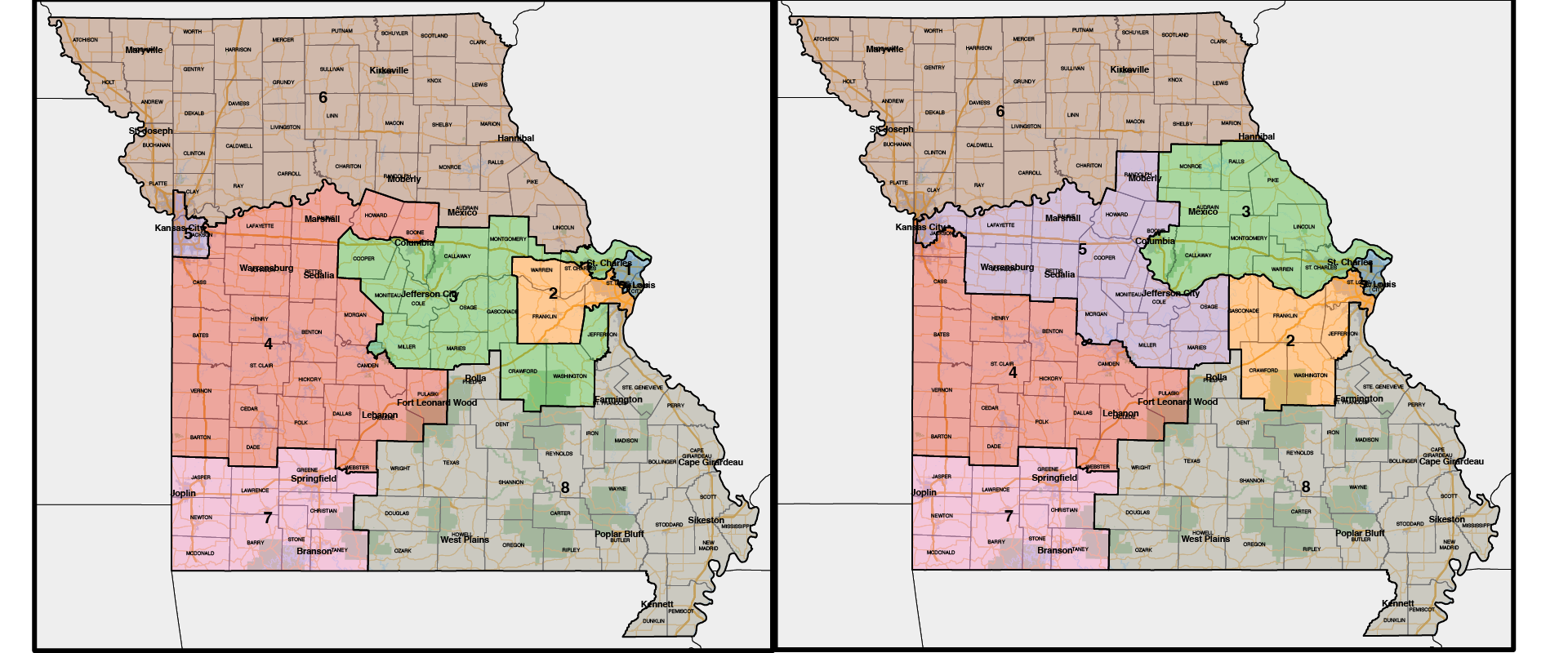
Missouri’s congressional map dispute has reached the U.S. Supreme Court at a critical point, with election officials running out of time to determine which congressional districts will be used in November.
September 8 marks Missouri’s deadline to finalize the November 3 ballot. At the same time, the state has asked the U.S. Supreme Court to act on its emergency request by September 14, leaving only five days before ballots must be sent to military and overseas voters on September 19.
The rapidly approaching deadlines add another layer to a dispute that has already drawn national attention and now stretches from Missouri lawmakers and voters to President Donald Trump and the nation’s highest court.
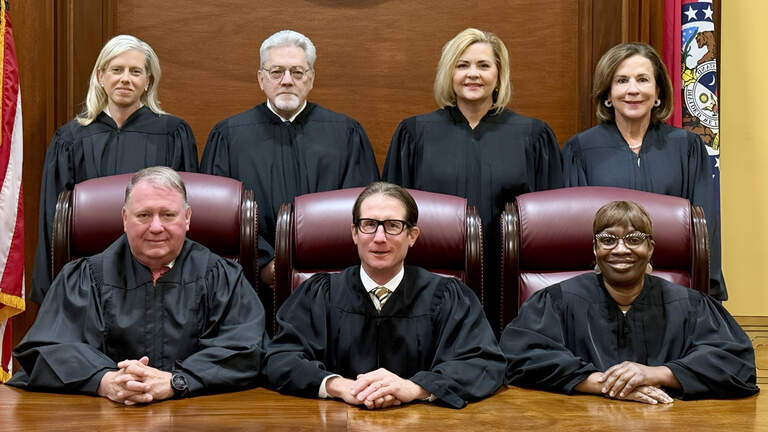
Missouri Supreme Court Blocks 2025 Map
On September 3, the Missouri Supreme Court unanimously ruled that a referendum petition challenging the congressional map passed by lawmakers in 2025 was legal, sufficient and timely.
The ruling means House Bill 1, which established the new congressional districts, never legally took effect because opponents submitted a sufficient referendum petition before the law’s effective date.
The court ordered Secretary of State Denny Hoskins to place the issue before Missouri voters in November.
Until voters make that decision, the court ruled that Missouri’s congressional districts established in 2022 remain in effect.
That creates an unusual problem: Missouri already held its August congressional primary using the 2025 districts.

Missouri Asks U.S. Supreme Court to Step In
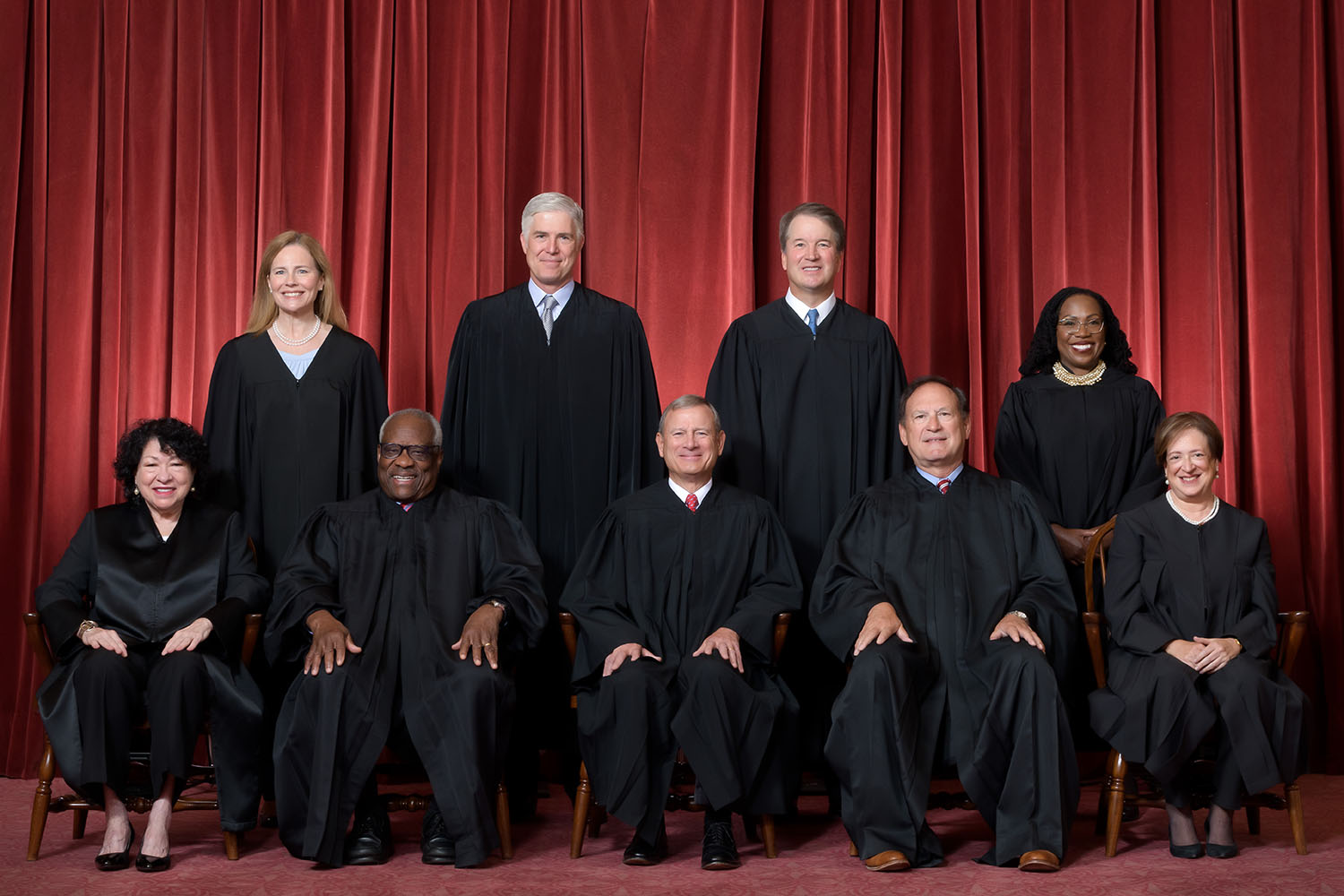
On September 4, Hoskins filed an emergency application with the U.S. Supreme Court asking it to stay the Missouri Supreme Court’s ruling while the state seeks further review.
The case is Denny Hoskins, Secretary of State of Missouri v. Richard Von Glahn, No. 26A304.
The application was submitted to Justice Brett Kavanaugh, who handles emergency matters originating from the Eighth Circuit. Kavanaugh requested a response by noon September 7, and responses and additional briefs have now been filed.
As of September 8, the U.S. Supreme Court has not issued a ruling on the emergency application.
Missouri has asked the Court to make a decision by September 14, citing the rapidly approaching federal deadline requiring military and overseas ballots to be transmitted by September 19.
The Republican National Committee, National Republican Congressional Committee and Missouri Republican State Committee have filed a brief supporting Hoskins’ request. Other organizations have submitted briefs on the opposing side.
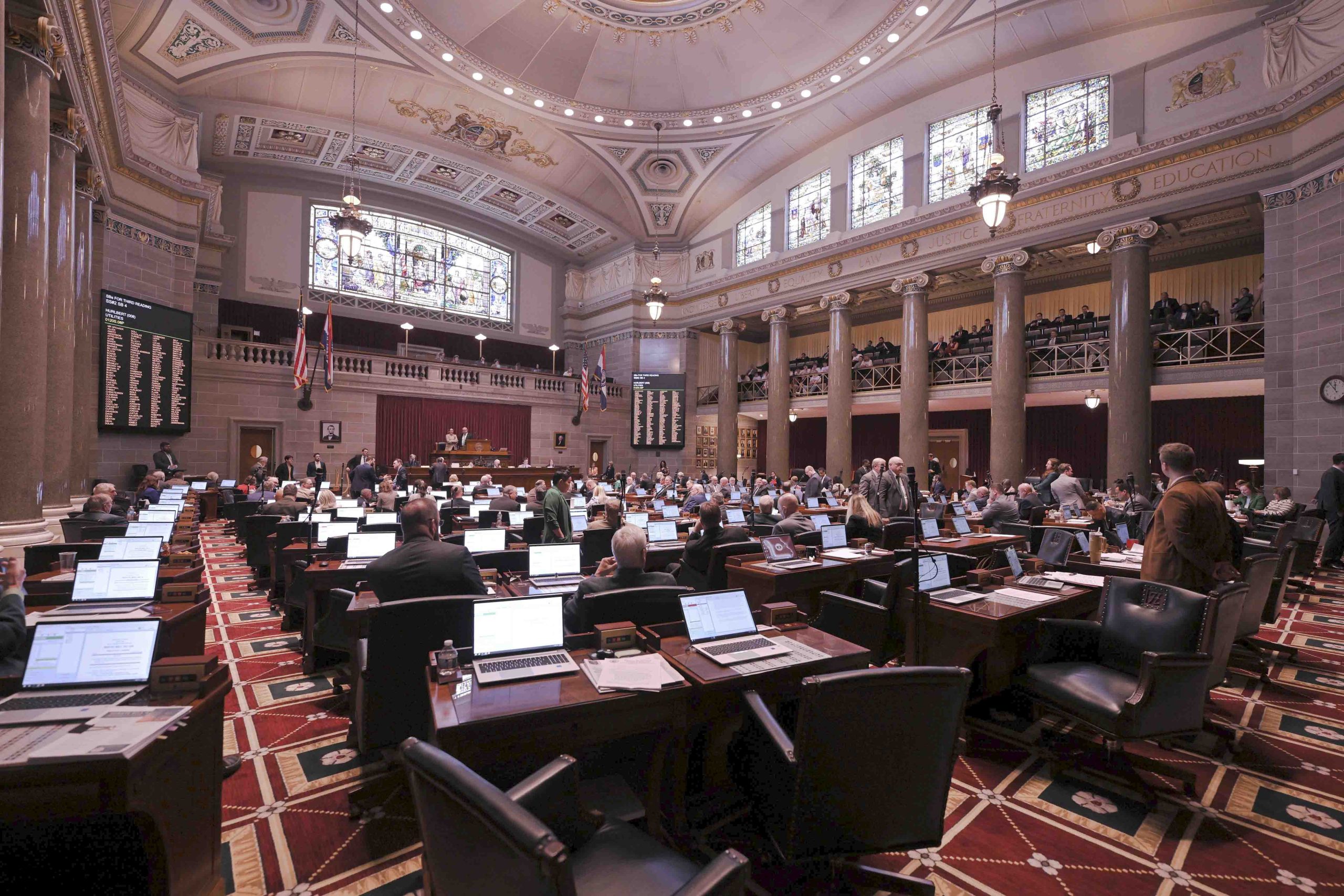
The Missouri House of Representatives. (Tim Bommel/Missouri House Communications)
How Missouri Got Here
The General Assembly passed HB 1 in 2025, establishing new congressional districts to replace the map adopted in 2022.
The mid-decade redistricting effort came after President Donald Trump publicly pushed Republican-led states to redraw congressional districts ahead of the 2026 midterm elections.
Opponents of Missouri’s new map responded by launching a referendum effort. More than 300,000 petition signatures were submitted to the Secretary of State’s Office on December 9, 2025.
Hoskins later determined the petition was legally insufficient, arguing that Missouri’s constitutional referendum power did not extend to congressional redistricting.
A Cole County Circuit Court judge agreed.
The Missouri Supreme Court did not.
In its September 3 decision, the state’s highest court concluded that the Missouri Constitution gives voters the power to use the referendum process on “any act of the general assembly” except for specifically identified exceptions. Congressional redistricting is not one of those exceptions.
Because the referendum petition was filed before HB 1 took effect, the court concluded that the legislation was suspended and never became Missouri’s legally effective congressional map.
The court ordered Hoskins to certify the petition, place the referendum on the November ballot and take the necessary steps to conduct the November congressional election using the districts established in 2022.

The August Primary Complicates Everything
The legal ruling comes with a significant practical complication.
Missouri held its August 4 congressional primary using the HB 1 districts.
According to the state’s filing with the U.S. Supreme Court, approximately 1.2 million Missourians voted in that election.
Missouri argues that returning to the 2022 districts for November means some voters will participate in a general election for a congressional district different from the one in which they voted during the primary.
Candidates who won primaries under one set of district boundaries could also find themselves running in districts with different voters and geographic boundaries.
The state argues that changing maps at this stage could interfere with its ability to meet federal election deadlines.
The Missouri Supreme Court acknowledged that returning to the 2022 map could create confusion, expense and practical difficulties.
But the court concluded those difficulties do not allow the state to continue using a congressional map that, under its interpretation of Missouri law, never legally took effect.
“The 2022 map is the only map in effect,” the court concluded.
Two Different Legal Questions
The dispute now involves two distinct constitutional questions.
The Missouri Supreme Court answered the first: Does the Missouri Constitution allow voters to challenge a congressional redistricting law through referendum?
The state court unanimously said yes.
The federal fight raises another question: Can that decision be implemented in a federal congressional election after Missouri already conducted its primary under a different map?
Hoskins is asking the U.S. Supreme Court to temporarily block the Missouri Supreme Court’s order while the federal constitutional issues are considered.
Missouri argues that switching congressional maps between the primary and general election creates serious constitutional and election-administration problems.
Opponents argue that the 2022 districts are not technically a new map being imposed shortly before the election. Under the Missouri Supreme Court’s decision, HB 1 was suspended by the referendum petition before it ever took effect, meaning the 2022 districts legally remained Missouri’s congressional districts throughout the dispute.
What Happens Now?
The calendar has become one of the most important parts of the case.
Missouri faces its deadline today, September 8, to finalize the November 3 ballot. The state has asked the U.S. Supreme Court to rule on its emergency application by September 14, and military and overseas ballots must be sent by September 19.
For now, the Missouri Supreme Court’s order remains in place.
That means the 2022 congressional map is currently the map ordered for use in the November 3 general election, and Missouri voters are scheduled to decide whether to approve or reject HB 1 at the same election.
However, the U.S. Supreme Court could change that.
If the Court grants Hoskins’ request for a stay, implementation of the Missouri Supreme Court ruling could be temporarily blocked while further litigation continues. If the Court declines to intervene, Missouri would continue toward conducting the November congressional election under the 2022 districts.
What began as a fight over Missouri’s decision to redraw its congressional districts in the middle of the decade has now become a dispute involving the state constitution, voter referendum rights, federal election law and the mechanics of conducting an election when the primary and general election could potentially use different congressional boundaries.
With the ballot deadline arriving today and the military and overseas ballot deadline less than two weeks away, the window for resolving the dispute is rapidly closing.