Local News · Community
Project Z: These Are Our Kids: A Wake Up Call About Foster Care in Our Community
By Sarah Hampton ·
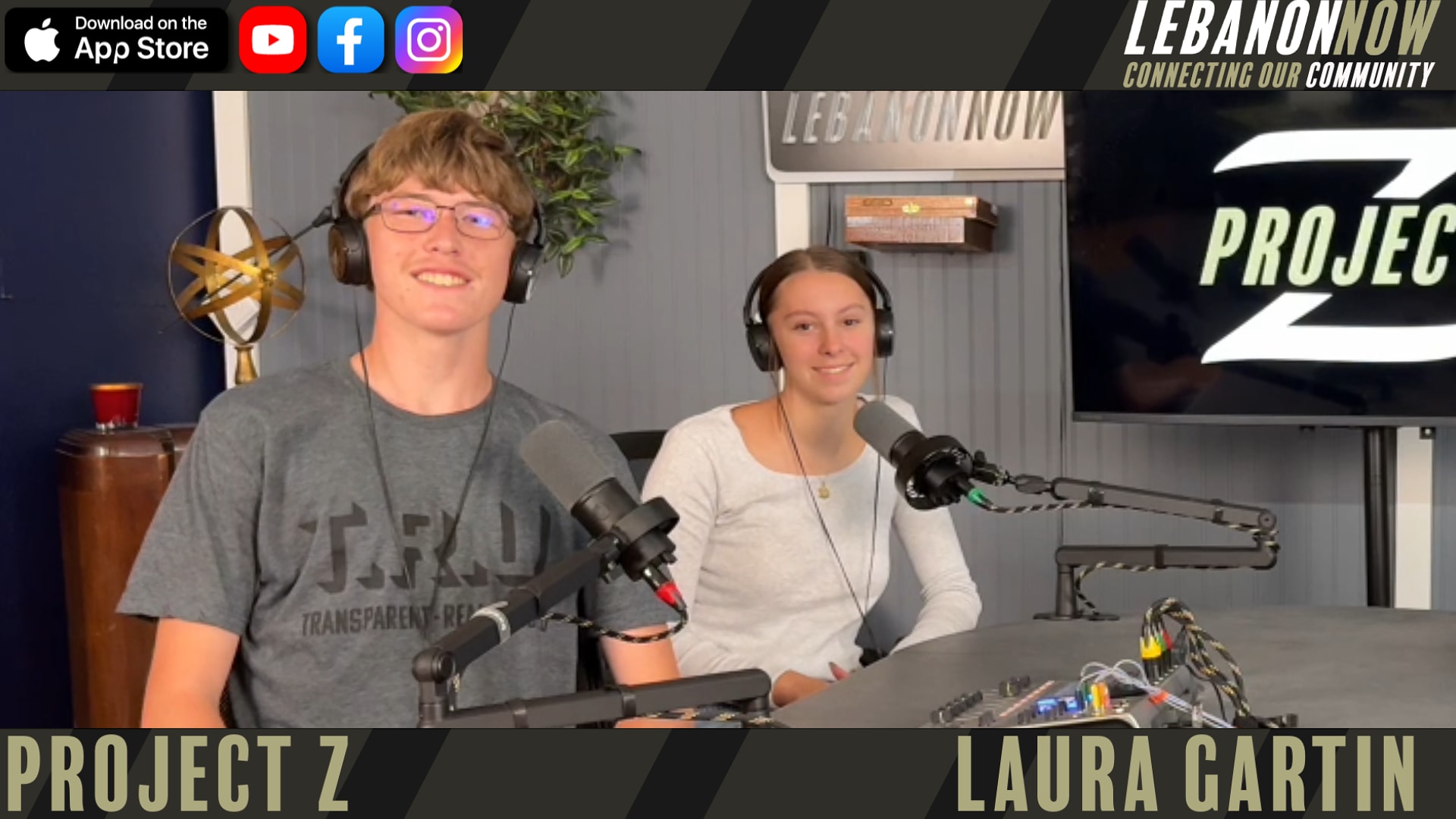
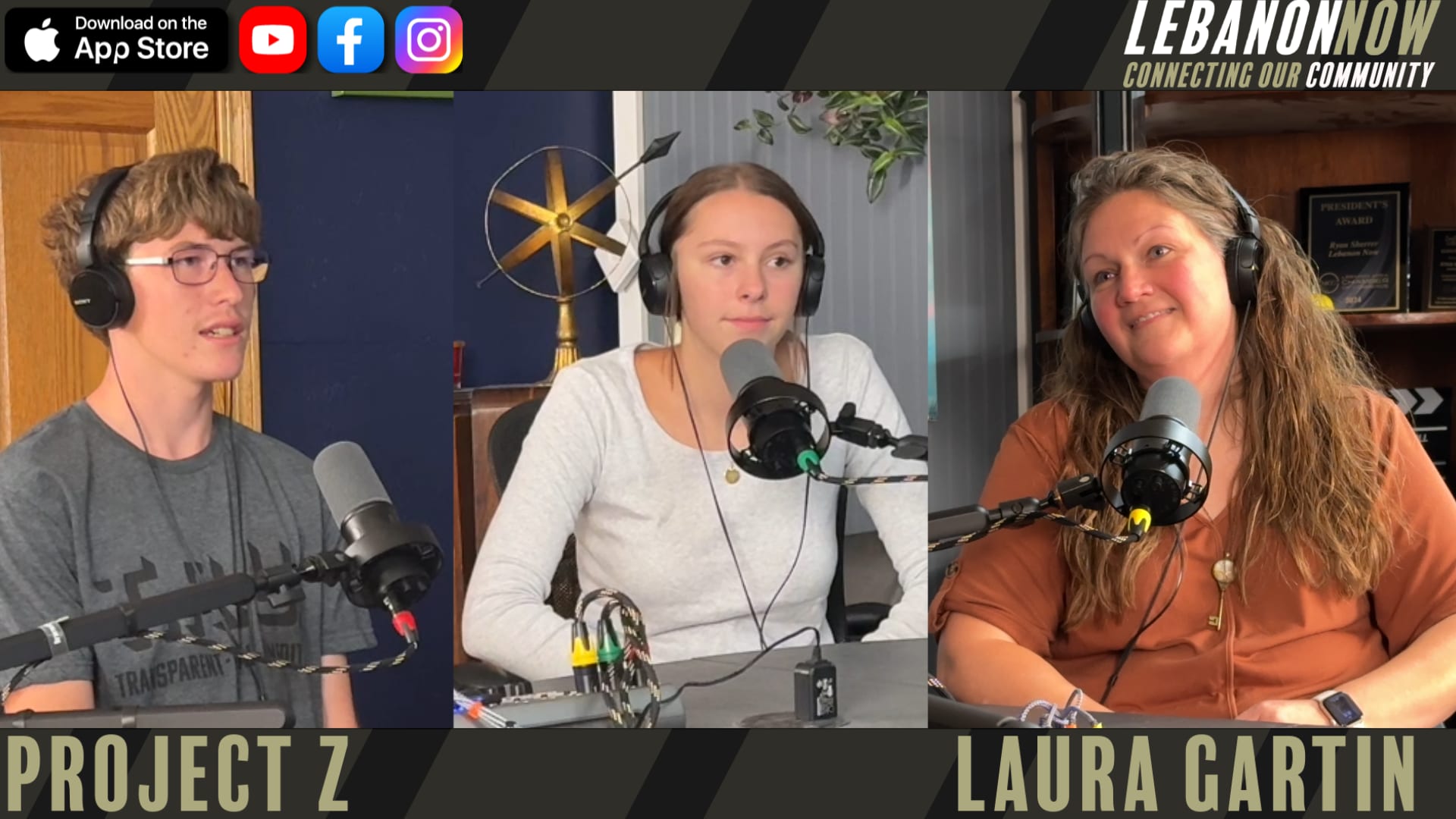
There are some conversations that stick with you after they’re over. This was one of them.
When Laura Gartin, program director for Live to Give Hope, sat down with Project Z students James and Evah to talk about the Fostering Hope Closet and foster care in our community, I knew it would be an important conversation. But listening to it, what struck me most was just how close to home all of this really is.
These aren’t kids somewhere else. They’re our kids. They’re sitting in classrooms with our children. They’re playing on our teams, walking through our schools and growing up right here in our community. And there are a lot of them.
Laura said there are more than 300 children actively in foster care at any given time across Missouri’s 26th Judicial Circuit, which includes Laclede, Camden, Miller, Morgan and Moniteau counties. She said almost half of those children come from Laclede County.
Think about that for a minute. Behind every one of those numbers is a kid whose life has been turned upside down through no fault of their own.
Sometimes It Happens in the Middle of the Night
Laura began fostering in 2017. She originally signed up to provide respite care, helping foster families when they needed someone to temporarily care for a child. She was told she wouldn’t be getting a baby dropped off in the middle of the night.
That’s almost exactly what happened.
Her first placement was a three-month-old baby who arrived around 10 p.m. Laura was told they didn’t know when the baby had last eaten. The diaper bag that came with her was full of socks. No formula. No bottles. No diapers. No clothes.
Laura was single and didn’t have children. She didn’t have baby supplies sitting around waiting for this moment. She ended up making a late-night trip to Walmart and spending more than $100 just to have enough supplies to get through the night.
That experience eventually became part of the reason the Fostering Hope Closet exists today. Laura had space in the back of her business and thought maybe she could create a place where the next foster parent wouldn’t have to face that same situation alone.
It grew from there.
Today, the Fostering Hope Closet provides diapers, formula, bottles, wipes, clothing, cribs, car seats and other necessities for families suddenly welcoming a child into their home. Because sometimes “yes, we’ll take them” doesn’t come with weeks to prepare. Sometimes it comes with a phone call tonight.
We Need More People Willing to Say Yes
This is the part of Laura’s conversation that I think our community really needs to hear.
We don’t have enough foster homes, and we don’t have enough respite providers. When there aren’t enough people willing or able to step in, the same foster families are asked again and again.
Laura talked about families who want to help and keep saying yes until eventually they’re overwhelmed. A home that might realistically be able to care for one or two children can find itself being asked to take more because there simply isn’t anywhere else for those kids to go. Eventually, good foster families burn out.
That’s not good for the family, and it certainly isn’t good for the kids.
Laura also made another point I think a lot of people may not realize: you don’t have to fit some perfect picture of what you think a foster parent looks like.
“You only have to be 21 years old to foster,” she said. “You don’t have to be 40. You don’t have to be married.”
There are also people desperately needed to provide respite care. These are people who can give an existing foster family a break or provide a safe place for a child temporarily while a longer-term placement is found.
Not everyone can foster. I understand that. But we need more people in our community who can.
These Are Not “Bad Kids”
I think this is another misconception that needs to disappear. Kids aren’t in foster care because they’re bad.
“They’re in a situation where their parents can’t keep them safe,” Laura explained.
Imagine being a teenager and suddenly everything familiar to you is gone. Your house, your room, your family, your stuff. Maybe you’re sent to live with relatives. Maybe it’s a foster family you’ve never met. Maybe you’re moved again after that. Sometimes everything you own is traveling with you in a bag.
Then the next morning, you’re expected to walk into school and just be a teenager.
And this is where I really hope some of our younger people are listening too.
Be kind to the kids around you.
That sounds simple, and maybe we’ve all heard it a thousand times, but you truly do not know what someone is going home to when the school day ends. You don’t know who got moved into a new home last night. You don’t know whose parents aren’t there. You don’t know who is sleeping somewhere unfamiliar, who is worried about where they’re going to live next week or who came to school carrying things that no kid should have to carry.
That kid who seems angry all the time might be hurting. The kid wearing the same clothes again might not have a closet full of choices at home. The quiet kid sitting by themselves at lunch might have just been separated from everyone and everything they know.
You don’t have to know their story to be kind to them. You don’t have to be their best friend or understand everything they’re going through. Sometimes just not joining in when somebody is being picked on matters. Sitting beside somebody matters. Saying hello matters. Treating someone like they belong matters.
And for the adults reading this, I think that’s something worth talking about with our own kids. We have absolutely no idea what the child sitting next to ours at school may have gone through before they walked through those doors that morning.
A little kindness costs our kids nothing, but to another kid who feels like their entire world has fallen apart, it might mean a whole lot more than they realize.
The Teenager Who Changed Laura’s Life
One of the most personal moments of the conversation came when Laura talked about her daughter.
Laura originally didn’t want to foster teenagers. In fact, she specifically wanted younger children. Then a 15-year-old girl came to stay with her for what was supposed to be five days of respite care.
When those five days were ending, another placement had been found for her. The girl told Laura she didn’t want to go.
“I don’t want to go there. I want to stay here.”
Laura couldn’t say no. That teenager eventually became her daughter.
The experience changed Laura’s entire perspective on fostering. She changed her license and began focusing on teenagers.
“Teenagers are amazing,” she said.
She talked about teaching kids how to drive, cook, budget and navigate adulthood. She also talked about something we don’t always consider when discussing teenagers in foster care: how desperately they want some control over their own lives.
A teenager already wants independence. Now imagine being a teenager whose life involves foster parents, caseworkers, a guardian ad litem, a judge and a system that can have a say in everything from getting a driver’s license to taking a trip.
Many of these kids have spent years having decisions made for them because the adults who were supposed to protect them couldn’t. Of course they want some control. Of course they’re frustrated sometimes. Of course they’re going to make mistakes.
They’re teenagers.
Today, Laura’s daughter is 23 and has three children of her own. And Laura has a new title she is very particular about.
She’s a “Lula.” Not a grandma.
It’s a small, funny moment in a conversation about a very serious subject, but it also shows what fostering can become. What was supposed to be five days became a family.
James and Evah Bring It Back to Their Own Schools
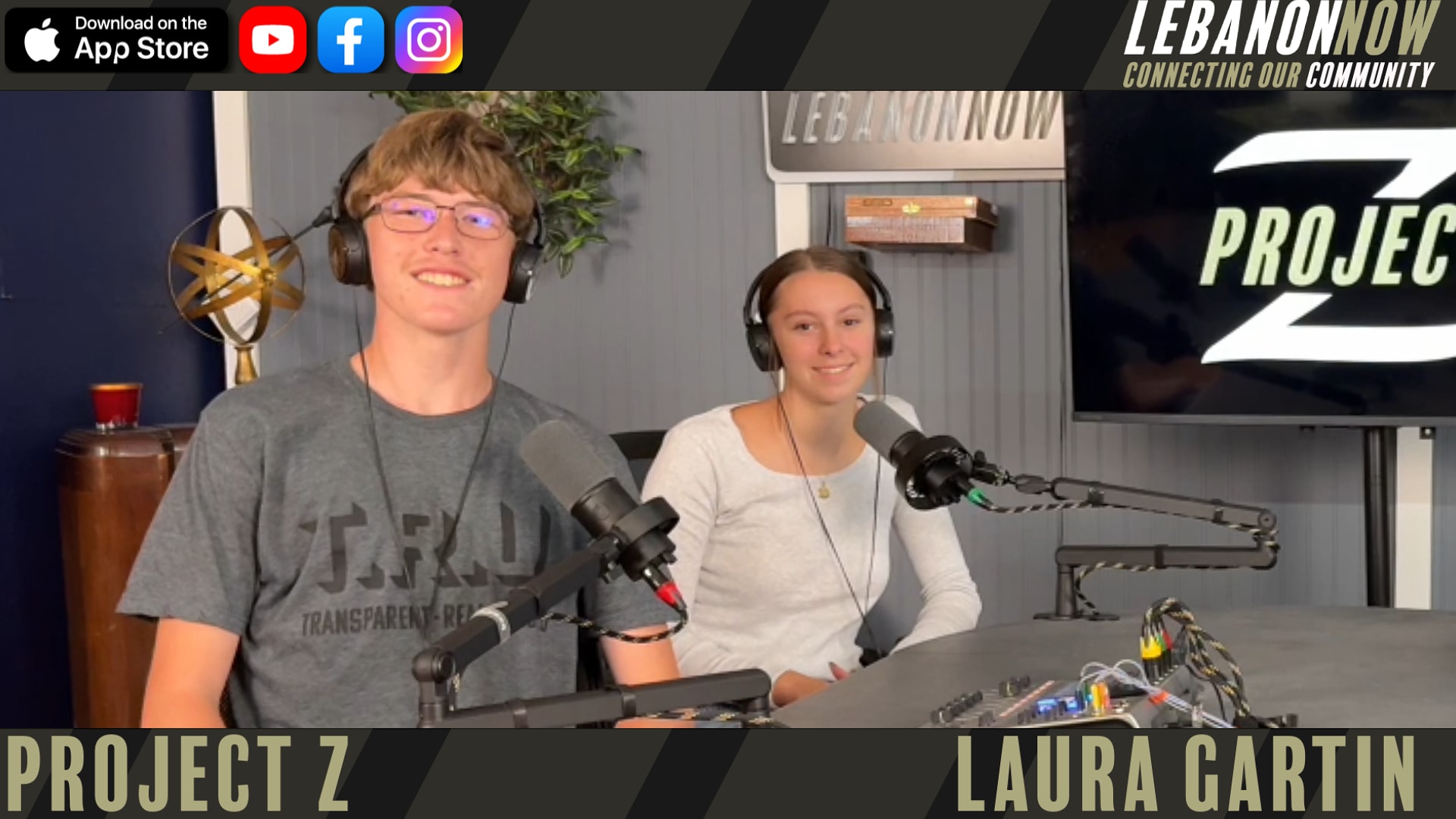
One of the things I appreciated most about this conversation was hearing James and Evah process what Laura was telling them in real time.
For Evah, foster care isn’t something she only knows through statistics. She shared that she has three foster siblings who have since been adopted. Her youngest sibling came into their family at just a week old after they received only about 12 hours’ notice.
James came into the conversation knowing much less about the foster care system, and as Laura explained the reality facing local kids, you could hear his perspective changing.
The conversation eventually came right back to the hallways they walk every day.
There are students around them dealing with situations their classmates may never know about. Some are carrying trauma into school while trying to do all the normal things teenagers are expected to do.
Evah talked about how that can even connect to bullying, especially when a student may not have the clothes, belongings or stability other kids take for granted.
That’s an important perspective coming from two young people themselves.
You may never know what the kid sitting beside you is dealing with.
Maybe You Can’t Foster. You Can Still Help.
This conversation isn’t meant to guilt anyone into becoming a foster parent. Fostering is a serious commitment, and it isn’t something everyone can or should do. But if you’ve ever thought about it, maybe this is the conversation that makes you learn a little more.
And if fostering isn’t something you can do, there are other ways to help the people who are saying yes.
Right now, the Fostering Hope Closet needs volunteers. They’re open after school on Tuesdays and Thursdays until 6 p.m., and students are welcome to come help. Laura said they need people to hang clothes, organize, move things and simply help with whatever needs to be done that day.
Students can even turn those volunteer hours into a prom outfit. The Fostering Hope Closet has formal gowns, suit coats and jackets, jewelry and shoes available through its prom closet. The program is free for clients, while members of the general public can receive an outfit for $50 or five volunteer hours.
Live to Give Hope also operates its Paving the Way program, teaching driver’s education, financial education, home management, career readiness and exploration, and other life skills.
The two-week summer program has now graduated 60 students. Beginning in October, the organization will also offer one-on-one driving instruction in addition to the summer program. The driving instruction is open to anyone in the community who is at least 15 years old and has a learner’s permit.
These programs exist because Laura and others saw holes in the system and decided to start filling them.
But they can’t do it alone.
This Is Our Community
I keep coming back to something that became clear during James and Evah’s conversation with Laura.
These kids may literally be sitting next to your kid at school.
That’s why this matters.
More than 300 children in foster care across our circuit isn’t just a statistic. Almost half of them coming from Laclede County isn’t just a statistic either. Those are children.
Children who didn’t choose what happened to them. Children who may be carrying everything they own from one home to another. Children trying to learn algebra, make friends, play sports, go to prom, learn to drive and figure out who they are while adults and a court system decide where they’re going to live.
We can’t fix every problem in the foster care system from Lebanon, Missouri. But we can take care of the kids who are here.
We can support the families who open their homes. We can give foster parents a break. We can donate clothes that teenagers actually want to wear. We can volunteer. We can support organizations like Live to Give Hope and the Fostering Hope Closet. And some of us can make the decision to open our homes.
For our younger people, your part might be even simpler: just be kind. Look around your classroom, your lunch table, your team or your group of friends and remember that you don’t know everything happening in someone else’s life.
If this conversation does nothing else, I hope it makes all of us pay a little more attention to one another.
Because foster care isn’t somebody else’s problem happening somewhere else. It’s happening right here.
And these are our kids.